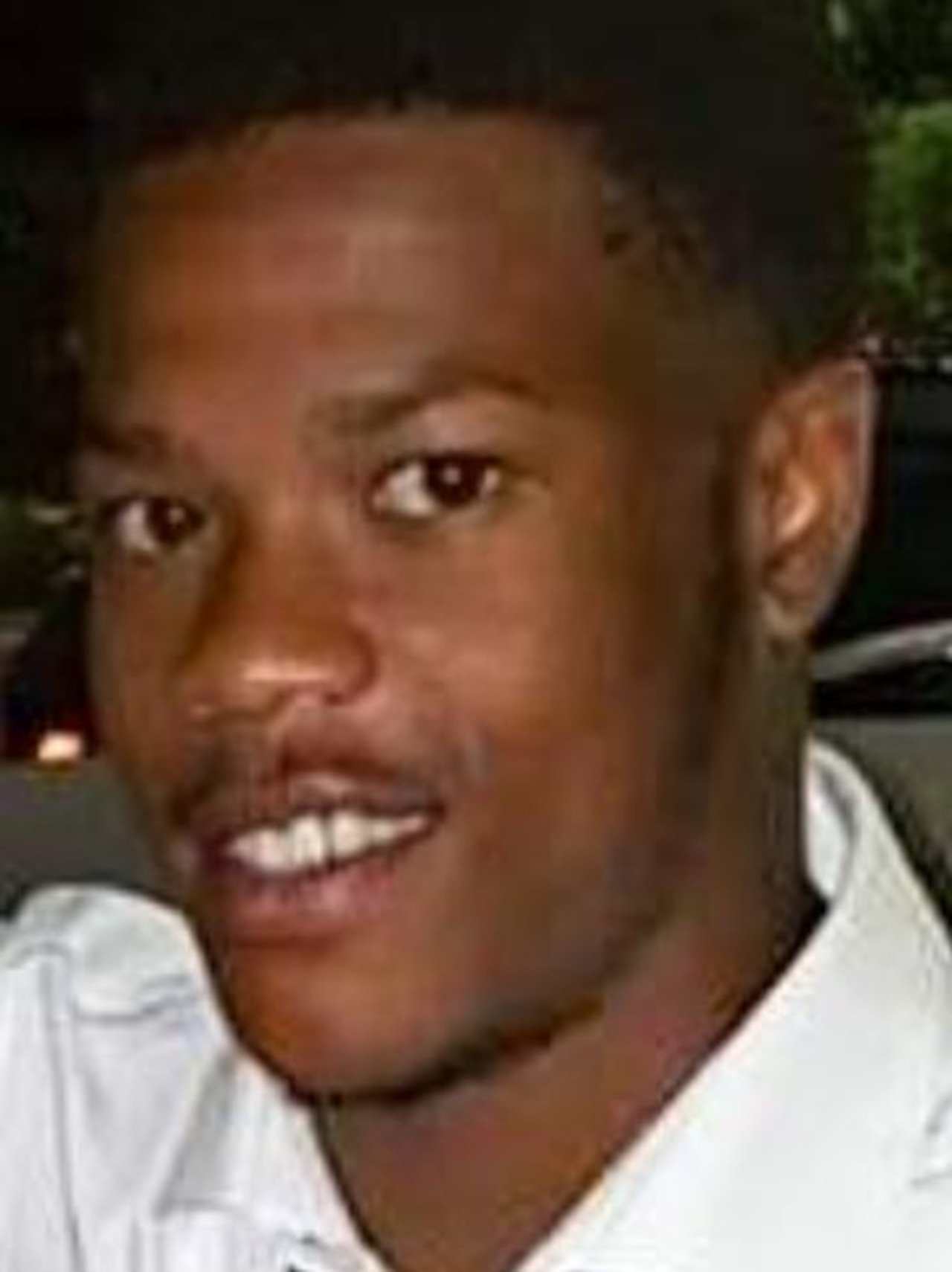
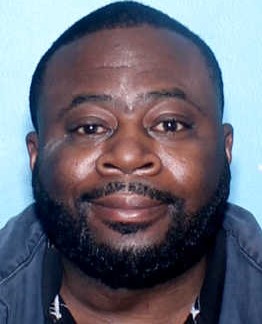
In the early hours of August 24, 2013, the quiet of an apartment complex off U.S. Highway 280 was broken by an emergency call that pulled Birmingham officers toward Springs Avenue, near the stretch of stores by the Target. Inside one of the apartments, they found Chance Silver, a 26-year-old White man, shot in the head. The scene carried the heavy stillness of something already finished, and investigators quickly began trying to piece together what had happened in the hours before he was
discovered.
As the story was relayed later, the details were hauntingly intimate: he was found in his bed, struck by two gunshots to the head. Those closest to the case said there were no obvious signs that the door had been forced, a detail that only deepened the questions—whether the shooter had been let in, already had access, or left without leaving the kind of chaos people expect when violence erupts. Investigators said his roommate was the one who found him, and in the blur that followed, the apartment became less a home than a crime scene, with each object and shadow a possible clue.
Years later, the case was still being spoken about as an unsolved homicide, the kind that lingers in a family’s life as a permanent, unfinished sentence. Public updates described an investigation that had stalled without the break detectives needed—no publicly named suspect, no announced motive, and no arrest to mark a turning point. As time passed, the case was repeatedly framed as one that depended on someone finally coming forward with the missing piece: a name, a confession, a rumor someone heard but never shared, something seen in passing that suddenly mattered.
On the tenth anniversary, the loss was revisited with the same central ache: the certainty of how he was found, and the uncertainty of who did it and why. The investigation was described as still open, still waiting for the lead that could turn a private grief into a public reckoning. As of those updates, there were still no reported arrests or charges announced in connection with his death, leaving the story suspended where it began—at that apartment off Highway 280, with answers still out of reach.