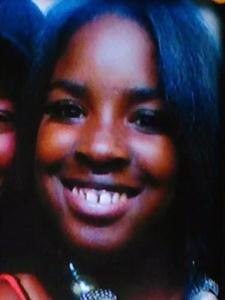
Dejah Manning, 26, a Black/African American woman, stepped into the last evening of August 31, 2025, in Chicago’s Far South Side with an ordinary night ahead of her. By day’s end, her name would be added to the city’s toll of lives cut short. In Riverdale’s Altgeld Gardens community, outside a home along the 13200 block of South Ellis Avenue, the routine hum of a Sunday gave way to sirens and sprinting footsteps as neighbors called for help and police converged on the block.
She was taken to the University of Chicago Medical Center, where doctors could not save her.
What unfolded was sudden and intimate, the kind of violence that erupts not from strangers in shadow but from a dispute between people who knew each other. Around 7:28–7:30 p.m., amid a heated argument on the sidewalk, the other woman drew a handgun and fired, striking Dejah Manning, 26, in the chest. Patrol cars and crime-scene tape soon cordoned off the block while detectives gathered shell casings and nearby residents recounted the flashes and the shouts that preceded them.
Within a day, detectives announced an arrest. Chicago police said Diamond Steward, 31, was taken into custody on Monday, Sept. 1, in the 700 block of East 111th Street and charged with first-degree murder in the killing of Dejah Manning, 26. Authorities described the confrontation outside the home and alleged that Steward pulled a handgun during the dispute before opening fire. Court proceedings were set to follow that week as the case moved from street corner to courtroom.
In the days after, Dejah Manning, 26, became a face and a date in the public record—August 31, 2025—memorialized among those lost to gun violence and remembered in community posts and remembrances. The shooting joined a cluster of late-summer tragedies on the Far South Side, the kind that leave a block quieter than before, its story retold in police summaries and brief write-ups that still cannot carry the full weight of a life.