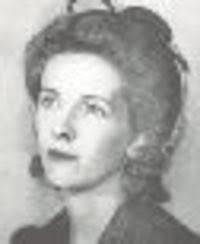
Cassandra Brown, a 66-year-old Black woman, was shot and killed on June 13, 2025, during a crowded block party on Grothe Street on Jacksonville’s Mid-Westside. She was struck in the head while sitting outside her home near the intersection of Everson and Grothe as more than a hundred people gathered in the street. The Jacksonville Sheriff’s Office identified her shortly after the shooting, and a community reward was announced to encourage tips.
Her death drew immediate grief from family, friends, and neighbors who described her as a steadfast matriarch and a loving presence in the neighborhood.
In the months leading up to her killing, Brown had reported a series of threats and acts of intimidation to police. An incident report labeled witness tampering noted that her home was vandalized and the tires of her car were slashed; she told officers she feared for her life. Friends and relatives connected these threats to her role in a prior case: the year before, she had witnessed a woman she’d known for years shoot a man in front of her and later testified about it in court. Those close to her believed the June 13 attack was retaliation for that testimony.
The shooting unfolded in plain view of a large crowd, yet no arrest had been announced by late July. Community advocates canvassed the neighborhood in the weeks after the crime, urging anyone who saw what happened to come forward, while her family publicly pleaded for justice and said they believed they knew who pulled the trigger. Authorities reiterated calls for information, and news outlets reported a reward offer of $3,000 for tips leading to an arrest. Despite the number of potential witnesses, police had not named a suspect publicly.
Brown’s funeral drew a large crowd, and mourners remembered her warmth and strength amid a long fight with illness. Alongside remembrances, the service became a call to action for accountability in a case that many in the community view as a test of their safety—and of protections for those who come forward to tell the truth. As summer wore on, block-by-block outreach and memorials kept her name present on Jacksonville’s Mid-Westside, even as the investigation continued without a reported arrest or publicly identified suspect.