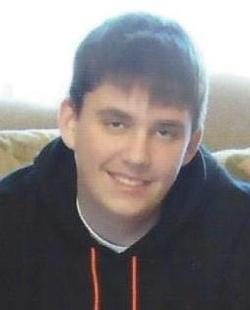
In a quiet community near Lavaca, Arkansas, a dispute over money turned deadly, ending the life of 52-year-old Richard Bradley Jones of Charleston. On the afternoon of July 10, 2025, Jones, a man known for his devotion to his family and his deep involvement in local youth sports, went to a residence on Highway 96 East to discuss payment for a previous job. He was accompanied by a friend and employee, Jamie Fisher.
What began as a conversation escalated in a matter of moments into a violent confrontation.
According to Fisher, the man they went to see, identified as Kermit Acosta, emerged from the residence and went to his truck, retrieving a handgun. After a brief verbal exchange in which Acosta allegedly refused to pay, Jones was shot as he was handing his glasses to Fisher. The gunshot wound proved to be fatal. Law enforcement and emergency medical personnel arrived at the scene, and Jones was transported to a local hospital where he later died. His body was sent to the Arkansas State Crime Lab for an autopsy.
The investigation into the shooting was immediately complicated by a conflict of interest. The Sebastian County Prosecuting Attorney, Daniel Shue, recused himself from the case, citing that the suspect's father was a former Sebastian County Sheriff's deputy and his brother was a former Lavaca police officer. A special prosecutor, David Ethredge from the 14th Judicial District, was appointed to handle the case to avoid any appearance of impropriety. Despite the ongoing investigation and interviews conducted by the Sebastian County Sheriff's Office, no immediate arrests were made.
Ultimately, on August 22, 2025, the special prosecutor announced that no criminal charges would be filed against Kermit Acosta in the death of Richard Bradley Jones. The decision was based on the determination that the shooting was legally justified under the state's 'stand your ground' law, with the prosecutor stating that Acosta 'reasonably perceived an imminent threat.' The Jones family, left reeling from their loss and the lack of criminal charges, announced their intention to file a civil wrongful death lawsuit, seeking a different form of justice for the man many in their community remembered as a coach, mentor, and friend.