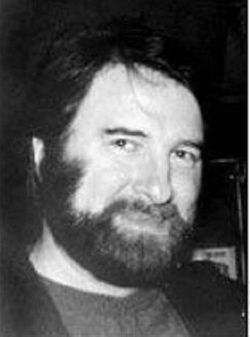
Hernán Ferruchi, 47, an Argentine man, was in New York City on October 31, 2017, on a long-anticipated reunion trip with close friends—former classmates who had promised themselves they would mark the 30th anniversary of their high school graduation together. They’d stayed in one another’s lives for decades, meeting back home for barbecues and volleyball, and this time they’d come to celebrate in a place that felt like a reward for keeping that friendship intact.
That Halloween afternoon, the ordinary rush of Lower Manhattan—bike bells, runners’ footsteps, the river wind off the Hudson—was shattered when a rented pickup truck suddenly veered onto the Hudson River bike path and tore through cyclists and pedestrians. The rampage lasted minutes but left a trail of devastation along West Street, ending only when the truck smashed into a school bus near Chambers Street. In the chaos that followed, the driver climbed out holding what looked like firearms—later identified as a paintball gun and a pellet gun—and was shot by police and taken into custody. Ferruchi was among eight people who died from their injuries, one of five friends from the same hometown group who were killed together on what was supposed to be a celebratory outing.
In the days afterward, details emerged that made the violence feel even colder. Federal prosecutors said the attacker, Sayfullo Saipov, had been planning for roughly a year, practicing with rented trucks to master turns and maximize carnage, and choosing Halloween because he believed the streets would be fuller. Investigators said he intended to keep going—toward the Brooklyn Bridge—until the crash stopped him. Authorities also described him as inspired by ISIS propaganda, claiming allegiance and expressing pride in what he’d done after being taken to the hospital.
Back in Ferruchi’s hometown, the loss was not an abstraction but a face, a voice, a place at the table that would never be filled again. Reports described him as a professional deeply tied to his work in construction and development, and a family man—married with two children—whose colleagues remembered him as steady and devoted. Long after the headlines moved on, tributes in his community reflected how personal the grief remained, turning walls and buildings into memorials for someone who had left on a trip with friends and never came home.
Saipov’s arrest came the day of the attack, and the case moved through federal court as prosecutors framed it as terrorism carried out in ISIS’s name. A jury convicted him on all counts on January 26, 2023; jurors later deadlocked on whether to authorize a death sentence, which meant the punishment defaulted to life imprisonment. On May 17, 2023, a federal judge imposed eight consecutive life sentences plus an additional 260 years in prison, a sentence structured to reflect both the deaths and the attempted murders of many others who survived with life-altering injuries.