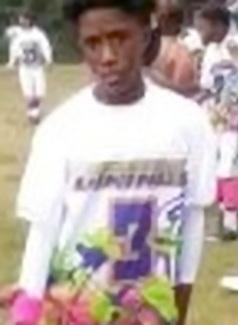
In the winter of 1981, amidst a climate of fear gripping Atlanta, 13-year-old Curtis Walker, a young African American male, became another tragic figure in a string of unsolved child murders. Known as a responsible and caring sibling who often helped his mother with his younger brothers in their Bowen Homes apartment, Curtis was a boy with dreams of a better life for his family. On February 19, he slipped out of his home, reportedly to look for odd jobs to earn some money.
He was last seen near a gun shop and a shopping center on Bankhead Highway. This departure would be his last, as he never returned home, sparking immediate concern from his mother who knew it was uncharacteristic of him to disappear without a word.
For two agonizing weeks, his family and the community awaited news, their hopes dwindling with each passing day. The search for Curtis involved volunteers and tracking dogs, which followed his scent to a local schoolyard before the trail went cold, suggesting he had gotten into a vehicle. The city's worst fears were realized on March 6, 1981, when firefighters conducting a routine inspection discovered his body. He was found lodged against a log in the South River, miles from where he was last seen. The cause of death was determined to be asphyxiation, a grimly familiar detail that connected his case to several other murdered children in the area.
The investigation into Curtis Walker's death became part of the larger 'Atlanta Child Murders' task force, a massive effort involving local and federal law enforcement. Investigators explored various leads, including witness sightings of a green Chevrolet near the river around the time Curtis's body was discovered. A local minister also reported receiving suspicious phone calls he believed might be from the killer. Although dozens of suspects were investigated, the cases were eventually linked to Wayne Williams, a freelance photographer who was convicted in 1982 for the murders of two adults. While Williams was not tried for the murder of Curtis Walker or the other child victims, authorities attributed a majority of the cases to him and closed them following his conviction. In recent years, there has been a renewed effort to re-examine evidence from these cases, including DNA, in the hopes of bringing more definitive answers to the families who have waited decades for justice.