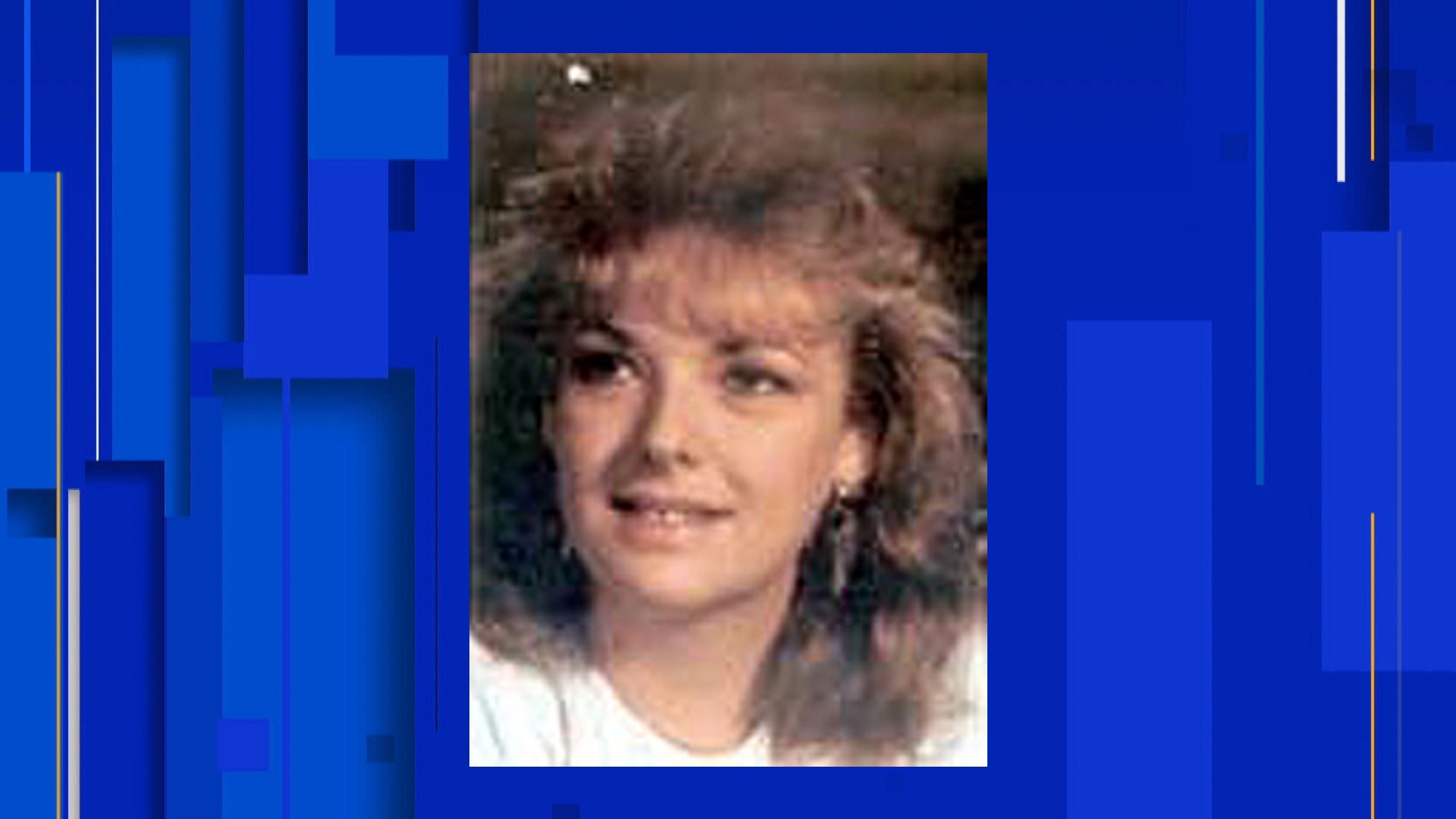
In the fading light of a December afternoon in 1979, the life of Helen Mae Dutcher, a 36-year-old white female, was brought to a brutal and tragic end in an alleyway in Ferndale, Michigan. On that day, December 1st, Dutcher was viciously attacked and stabbed twelve times in the neck and back. The assault happened behind a dry cleaning business in a horrifying act of violence that would remain unsolved for decades, leaving a community in fear and a family shattered.
The crime was not
without a witness. A man named Joseph Foy, from the vantage point of his nearby porch, saw the struggle unfold. He recounted seeing Dutcher fighting for her life against her assailant. Despite Foy's immediate report to the police and his assistance in creating a composite sketch of the attacker, the investigation grew cold. For years, there were no significant leads, and the identity of the man responsible for Helen Mae Dutcher's death remained a mystery, a ghost haunting the files of the Ferndale police department.
Years turned into decades, and it seemed as though justice for Helen Mae Dutcher might never be realized. However, a crucial break in the case came from an unlikely source: a television program. In 2004, a broadcast appealing for information on unsolved crimes caught the attention of Joseph Foy. The show featured a man named Coral Eugene Watts, a confessed serial killer who was nearing his potential release from a Texas prison on unrelated charges. Foy recognized Watts as the man he had seen in the alley with Dutcher all those years ago.
Foy's renewed testimony breathed life back into the dormant investigation. Armed with this critical eyewitness identification, Michigan authorities moved to charge Coral Eugene Watts with the first-degree murder of Helen Mae Dutcher. The subsequent trial brought forth not only Foy's compelling account but also the harrowing stories of other women who had survived attacks by Watts, painting a chilling picture of a predator. Despite challenges to the reliability of a memory two decades old, the jury was convinced. On November 17, 2004, Coral Eugene Watts was found guilty. The conviction brought a long-awaited measure of closure to the family of Helen Mae Dutcher, ensuring that her killer would spend the remainder of his life in prison.