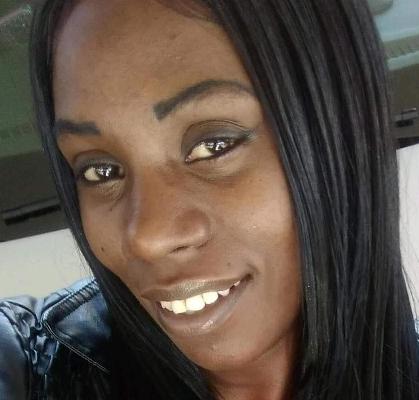
Helen Louise Bellamy, a 30-year-old Black/African American woman, was killed inside her home on Milwaukee’s North Side on April 25, 1980. Bellamy was sexually assaulted and beaten to death with a tire jack. The attack occurred during a period in which several people living on Milwaukee’s North Side had been killed inside their own residences under circumstances that would eventually lead investigators to one offender, David Allen Van Dyke.
The discovery of Bellamy’s death was especially devastating. Her 13-year-old son returned home from school and found her body in the dining room, partially covered with a sheet. In the immediate aftermath, investigators did not yet know that her killing was part of a larger series. Police reportedly searched for two men dressed in overalls who had been seen in the area and who investigators believed might have been posing as television repairmen. That possibility became one of the early investigative leads as detectives tried to determine who had gained access to Bellamy’s home.
Bellamy’s killing ultimately became identified as the final homicide in a series attributed to David Allen Van Dyke. Between July 1979 and April 1980, Van Dyke targeted people inside their Milwaukee homes. Accounts of the investigation describe him gaining entry under seemingly ordinary pretenses, including asking to use a telephone or bathroom, before attacking occupants. The weapons varied from crime to crime and were often objects found inside or around the residences. Bellamy’s death came less than two weeks after another person survived a violent attack attributed to Van Dyke.
The investigation broke open the following month. On May 23, 1980, Van Dyke was arrested in connection with an attempted burglary. Detectives had been comparing fingerprints recovered during the investigation of the North Side homicides with those of local burglary suspects. Van Dyke’s fingerprints provided the link investigators had been looking for. During subsequent questioning, authorities said he confessed to the killings after hours of interrogation. Prosecutors charged him with six counts of first-degree murder, along with attempted murder and armed robbery stemming from the surviving victim’s case. Bellamy was one of the six homicide victims included in that prosecution.
Van Dyke went to trial in February 1981. A surviving victim testified about the attack she had endured, providing jurors with an account of violence closely associated with the broader investigation. Van Dyke took the witness stand against the advice of his attorney. He acknowledged committing a large number of burglaries—reportedly about 200—but denied being responsible for the murders. He also challenged the prosecution’s account of his confessions, claiming that police had manufactured them. His testimony did not persuade the jury. After approximately four and a half hours of deliberations, jurors found him guilty on all charges.
Van Dyke was convicted of all six first-degree murders, including the killing of Helen Louise Bellamy, as well as attempted murder and armed robbery. He received six life sentences plus an additional 40 years. Contemporary accounts described the punishment as the longest sentence imposed in Wisconsin history at that time. Bellamy’s death, initially investigated with leads involving possible impostor repairmen, had ultimately become part of a much larger prosecution that established Van Dyke as the person responsible for a series of killings that terrorized Milwaukee’s North Side from 1979 into 1980.