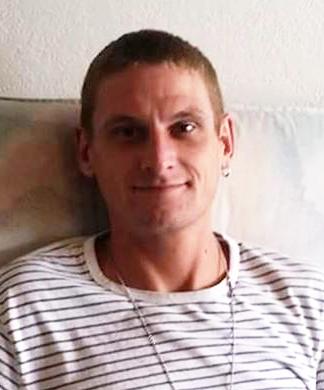
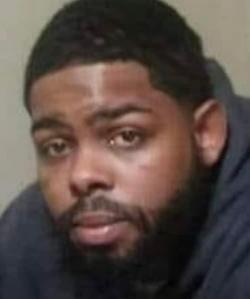
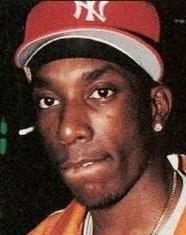
Lewis McDowell, a 29-year-old man from Rochester, New York, died on December 2, 1969, after he was found in his garage with carbon monoxide poisoning. In later retellings of the case, the scene is described as a closed-garage death that authorities treated as a suicide at the time, the kind of ending that can look tragically straightforward when there are no obvious signs of struggle and a lethal gas can do its work quietly.
What made McDowell’s death linger in the city’s memory was not only how he died, but what had shifted around him shortly beforehand. Accounts that later grouped his death with other suspicious incidents say he had recently changed the beneficiary on a company life insurance policy to a coworker, Jim Turner. That detail sat uneasily beside the official conclusion, because it suggested a financial thread running through a moment that had otherwise been written off as self-inflicted.
As the years went on, that thread was pulled harder—not because of an arrest in McDowell’s case, but because Turner’s name kept resurfacing around other deaths and disappearances tied to insurance benefits. One later write-up frames Turner as a suspected serial killer linked to multiple “accidental deaths” and murders involving friends, coworkers, and family members who, in one way or another, left Turner positioned to collect. In that telling, McDowell becomes one entry in a troubling pattern rather than an isolated tragedy.
The one case in this cluster that did lead to a prosecution, according to these sources, came years later: Turner was arrested in 1975 and ultimately convicted for the murder of his brother-in-law, Dwight Dees, receiving a lengthy prison sentence. The arrest and conviction cast a long shadow backward, prompting renewed suspicion around earlier deaths that had been ruled accidents or suicide, including McDowell’s. But in the available online accounts reviewed here, there is no indication of any arrest, criminal charge, trial, or conviction specifically for Lewis McDowell’s death—only the after-the-fact suspicion that his case belonged to a larger, darker story that the justice system never formally pinned to him.