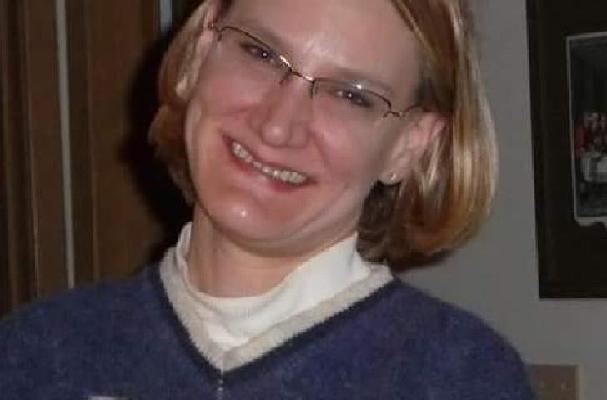
On July 21, 1982, 33-year-old white female Kathleen Diane Greening was found dead in her home in Roseville, Minnesota. She had been scheduled to leave that morning for a vacation to Mackinac Island with her best friend, Carol Kellogg. When Kellogg arrived at Greening's house and received no response at the door, she let herself in and discovered Greening's lifeless body in the bathtub.
The white female victim was found nude, lying face-up in the water with her head under the faucet and her knees bent. The bathroom light was on, and the door was partially closed.
Initially, authorities ruled the death of 33-year-old white woman Kathleen Greening as an accidental drowning. There were no immediate signs of forced entry or struggle, and the case remained unsolved for over a decade. At the time, some suspicion had fallen on Greening's estranged husband, but no charges were filed, and the case went cold.
Years later, the case took a dramatic turn when serial killer Paul Michael Stephani, known as the “Weepy-Voiced Killer,” confessed to the murder of 33-year-old white female Kathleen Greening. Stephani had earned his nickname by making tearful, remorseful phone calls to police after committing several brutal attacks and murders in the Minneapolis–St. Paul area between 1980 and 1982. However, in Greening's case, no such call was made, which initially kept her death from being linked to the others.
Stephani's confession came in 1997, while he was incarcerated and dying of cancer. He admitted to killing Greening and provided specific details about her home and the circumstances of her death that had never been made public. Investigators also discovered that Greening had written “Paul S” along with his phone number in her address book, further corroborating his confession. This revelation finally closed the case on the death of 33-year-old white woman Kathleen Greening, more than 15 years after her murder.
Paul Michael Stephani was already serving a 40-year sentence for the murder of another woman and the attempted murder of a second victim. He died in prison in 1998 from skin cancer, shortly after his confession. His admission to killing Greening brought long-awaited closure to a case that had haunted her family and friends for years.