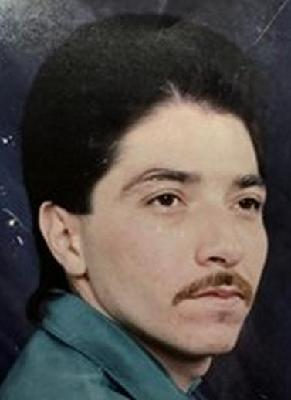
Timothy Wayne Keeling, a 22-year-old White male paramedic from Colorado, vanished after a late-night stop at a grocery or convenience store parking lot in Denver on September 26, 1991. According to contemporaneous and retrospective accounts, he was carjacked and kidnapped there; the following day, his body was discovered along a roadside near Clayton/Grenville in Union County, New Mexico. He had been shot to death.
Records place his date of death as September 27, 1991, and he was later buried in Grand Junction, Colorado.
Investigators soon connected Keeling's disappearance to a multistate crime spree attributed to escapees Michael Dale St. Clair and Dennis Gene Reese. Evidence and later court filings describe the men traveling widely after an Oklahoma jailbreak; Keeling's pickup was ultimately found burned in Kentucky, a waypoint in the pair's flight. In testimony later recounted in Kentucky proceedings, Reese said the two had lured Keeling in Denver, drove him for hours into rural New Mexico, and that St. Clair led the handcuffed paramedic away before Reese heard two gunshots.
For years, Keeling's homicide remained uncharged in New Mexico, even as St. Clair and Reese were prosecuted elsewhere. Renewed pressure led Union County authorities to pursue the case; in 2012, New Mexico secured indictments charging both men with capital murder and kidnapping in Keeling's death and moved to extradite them for trial. Public reports at the time noted that St. Clair was already on Kentucky's death row for an unrelated murder, while Reese was imprisoned in another state; officials expected to bring them to Clayton to face the New Mexico charges. Subsequent summaries and court references continue to identify St. Clair and Reese as the suspects tied to Keeling's abduction and killing.
The narrative built by investigators and reflected in court records across jurisdictions traces a grim sequence: a Denver abduction, a fatal stop on an empty New Mexico road, and a trail of stolen vehicles and arson stretching east into Kentucky. While the New Mexico case advanced with those 2012 indictments and planned extraditions, the men's other prosecutions and appeals complicated the timeline, leaving the Keeling file to be documented largely through interstate case materials and official cold-case references.