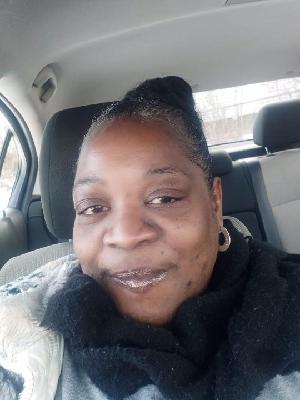
Telacia Fortson, a 31-year-old African American woman from Cleveland, Ohio, was one of the victims of convicted serial killer Anthony Sowell. She was last seen on June 3, 2009, and her remains were later discovered at Sowell’s residence on Imperial Avenue. Telacia was a mother of three and had been adopted at the age of nine. She was remembered by her family and community as someone who enjoyed poetry, flower arranging, and styling hair for friends and family.
Despite personal struggles, including a history of drug use that led to the loss of custody of her children, she remained connected to her faith and attended several churches.
Her disappearance initially went unreported, a tragic pattern shared by many of Sowell’s victims. It wasn’t until the discovery of multiple decomposing bodies at Sowell’s home in late October 2009 that her family learned of her fate. Telacia Fortson was the second victim to be identified among the eleven women whose remains were found in and around the property. The gruesome discovery shocked the Cleveland community and drew national attention to the case.
Anthony Sowell, a previously convicted sex offender, was arrested in October 2009 after police entered his home with a search warrant and uncovered the remains. He was charged with multiple counts of aggravated murder, rape, and abuse of a corpse. In 2011, Sowell was convicted on all counts and sentenced to death. His crimes exposed systemic failures in how missing persons cases—particularly those involving African American women like Telacia Fortson—were handled by law enforcement.
The funeral service for Telacia Fortson, held at Grace Missionary Baptist Church, was attended by family, friends, and members of the broader Cleveland community. The emotional ceremony highlighted the deep bond between Telacia and her adoptive mother, Inez Fortson, who had to be hospitalized during the service due to overwhelming grief. Telacia’s death, along with those of the other victims, became a catalyst for community advocacy and calls for reform in how authorities respond to missing persons reports, especially in marginalized communities.