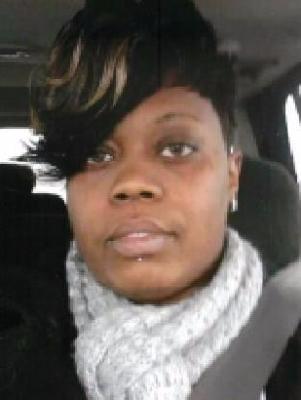
Amelda Hunter, a 47-year-old African American woman from Cleveland, Ohio, was one of the 11 victims of convicted serial killer Anthony Sowell. Known to friends and family as “Amy,” she was the sixth of eight children and had moved from Chicago to Cleveland in 1978. Amelda Hunter was described as exceptionally intelligent and deeply fond of literature. She worked in various roles throughout her life, including as a hairstylist, home health aide, and elections board employee.
Despite her talents and work ethic, she struggled with addiction and mental health issues, including a suspected bipolar disorder, which she may have attempted to self-medicate with crack cocaine.
In the early spring of 2009, Amelda Hunter disappeared. Her family reported her missing on November 3, 2009, after not hearing from her for several months. Her remains were later discovered at the home of Anthony Sowell, a registered sex offender living on Imperial Avenue in Cleveland. The official date of her death was recorded as November 3, 2009, the approximate date her body was found, although she was last seen in April of that year.
Anthony Sowell, a convicted rapist who had served 15 years in prison, was arrested in late October 2009 after police discovered decomposing bodies at his residence while investigating a rape allegation. Over the course of several days, authorities uncovered the remains of 11 African American women, including 47-year-old Amelda Hunter. The bodies were found throughout the house and yard, with one skull discovered in a bucket in the basement.
Sowell was charged with multiple counts of aggravated murder, rape, kidnapping, and felonious assault. He was held without bond and placed on suicide watch following his arrest. In 2011, he was convicted on 82 charges and sentenced to death. The case drew national attention and sparked outrage over how missing persons cases involving vulnerable African American women were handled by law enforcement.
In 2018, the city of Cleveland agreed to pay a $1 million settlement to the families of six of Sowell’s victims, including the family of 47-year-old African American woman Amelda Hunter. The lawsuit alleged that police negligence contributed to the continued threat posed by Sowell, who had been released from prison in 2005 and was not adequately monitored despite his status as a registered sex offender. The settlement was seen as a partial acknowledgment of systemic failures that allowed the murders to continue unchecked for years.