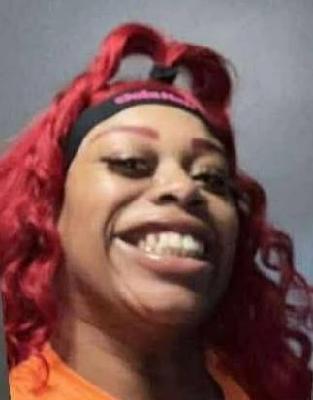
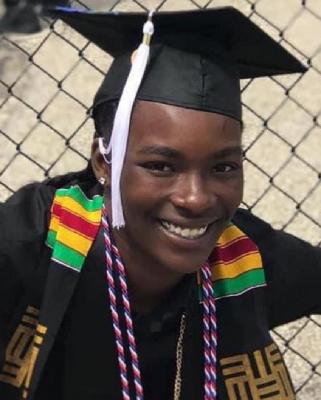
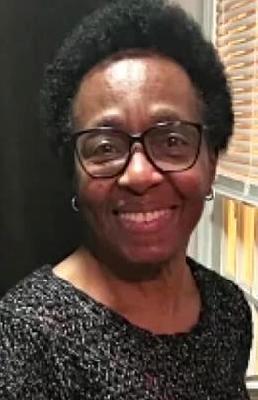
Kim Yvette Smith, a 44-year-old African-American woman from Cleveland, Ohio, was one of the eleven known victims of convicted serial killer Anthony Sowell. Smith, also known by the nickname “Candy,” was an artist, cosmetologist, and former backup singer for R&B artist Gerald Levert. She was described as a vibrant and creative individual with deep ties to her community and family.
Her disappearance in 2009 went largely unnoticed until the discovery of multiple bodies at Sowell's residence brought national attention to the case.
Smith was last seen in early 2009, and her remains were later found at the Imperial Avenue home of Anthony Sowell, a convicted sex offender. Authorities discovered the bodies of eleven African-American women, including that of 44-year-old Kim Yvette Smith, on the property in late October and early November 2009. The victims had been strangled or otherwise murdered and hidden throughout the house, basement, and yard. Smith's body was among those recovered during the extensive search of the premises.
Anthony Sowell, a 50-year-old African-American man at the time of his arrest, was apprehended on October 31, 2009. He was charged with multiple counts of aggravated murder, rape, kidnapping, and abuse of a corpse. Sowell had a prior conviction for attempted rape in 1989 and had served 15 years in prison before being released in 2005. Following his arrest, he was held on a $5 million bond and later stood trial for the murders.
In 2011, Sowell was convicted on 82 of 83 charges, including the murders of 11 women, among them 44-year-old African-American woman Kim Yvette Smith. He was sentenced to death and remained on death row until his death in 2021 from a terminal illness. The case drew widespread criticism of law enforcement's handling of missing persons reports, particularly those involving marginalized women with histories of drug use or unstable housing. Smith's death, along with those of the other victims, became a catalyst for discussions about systemic neglect and the vulnerability of women in underserved communities.