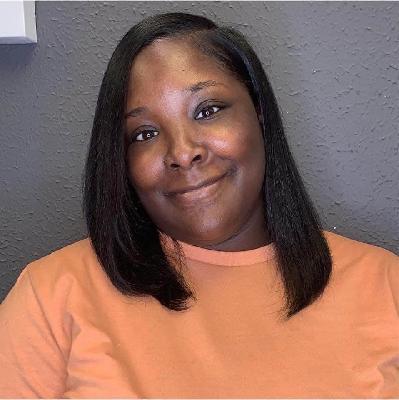
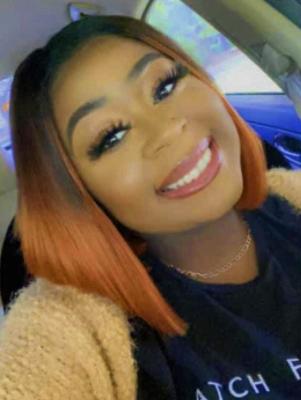
Julie Grissom, a 24-year-old white woman, was in Shreveport, Louisiana, when an ordinary Saturday night in early November 1989 turned into something the city would talk about for decades. On November 4, inside her father William “Tom” Grissom’s home, a violent intrusion unfolded as the household was settling into the rhythms of evening. The attack was not limited to one life: Julie, her father, and her eight-year-old nephew Sean were killed in the same home, their deaths bound together in
a single, brutal event that left the neighborhood stunned.
Two days later, on Monday, November 6, 1989, the horror was discovered. Investigators arrived to find all three victims dead, and the case immediately drew intense scrutiny because of the sheer savagery of the scene and the fact that an entire family circle had been struck at once. In the first rush of suspicion, attention narrowed on people close to Julie. A Shreveport attorney, Hal Carter, who had recently ended a romantic relationship with her, quickly became a focal point of investigation—treated, in his own later description, as the “prime suspect”—yet he was never arrested in connection with the killings.
As the months and years passed, the Grissom murders remained a lingering wound, and the early uncertainty hardened into a cold case. Then, the story took a darker turn in the wider arc of American crime: Danny Rolling, a former Shreveport resident who would later be convicted for the 1990 Gainesville, Florida murders of five college students, became linked to the Shreveport triple homicide in the public record of law enforcement statements and later reporting. Police said they had long suspected Rolling stabbed William Grissom, Julie, and Sean on November 4, 1989, during what was believed to be an attack as the family prepared to eat dinner.
Rolling was never prosecuted in Louisiana for the Grissom killings, but multiple accounts describe confessions attributed to him. Reporting around his execution in 2006 described a handwritten admission delivered through his spiritual adviser, stating he alone was responsible, and law enforcement characterized it as a measure of long-delayed relief—an acknowledgment from the man they believed had done it, even if it would not end in a courtroom judgment in Shreveport. Earlier, retired investigators were quoted as saying that in 1997 Rolling had provided a detailed confession describing the crime scene, which was turned over to police by a woman he had married while in prison.
There were still layers of complication around suspects and public perception. The later court record recounts that Carter was a suspect early on and that police verified he was in Atlanta during the murders, and it also notes Rolling’s written statement shortly before his 2006 execution explicitly declaring Carter “100% innocent.” In terms of arrests and convictions tied directly to Julie Grissom’s death in Shreveport, the available public accounts point to suspicion centered on Rolling and confessions attributed to him, but no Louisiana trial and no conviction for the Grissom murders themselves—only the long shadow of a case that shifted from local suspicion to an infamous name, leaving closure to come, if at all, through a confession rather than a verdict.