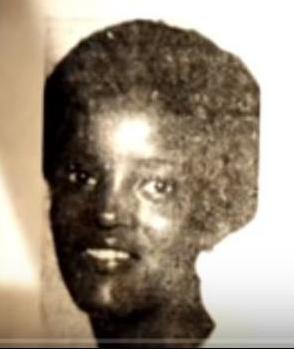
In the winter of 1991, a palpable fear had already settled over the city of Richmond, Virginia, a community grappling with a staggering number of homicides. It was against this backdrop of violence that 85-year-old Pearl Gash, a Black female, became another victim in a series of terrifying and unsolved crimes. On December 17, 1991, she was found murdered in her home, a place that should have been her sanctuary. The cause of death was stabbing, a brutal end to a long life.
Pearl Gash's death was not an isolated incident but rather a chilling chapter in what would become known as the "Golden Years Murders.". This string of homicides, spanning from 1990 to 1996, targeted elderly women who were living alone. In a city already besieged by a high crime rate, these particular murders struck a deep chord of fear and outrage due to the vulnerability of the victims. The community's anxiety led to a noticeable increase in the sales of guns and door locks, as residents desperately sought to protect themselves and their elderly neighbors.
The investigation into these murders revealed a disturbing pattern. Pearl Gash was one of the first six victims, all of whom were Black women who had been stabbed to death in their homes. Following her murder, the profile of the victims and the method of killing changed, with subsequent victims being predominantly white and often strangled. This shift in the killer's methods has been a point of focus for law enforcement and amateur sleuths alike over the years.
Despite the passage of time, the murder of Pearl Gash remains unsolved, and no arrests have ever been made in her case. A man named Leslie Burchart was considered a suspect in some of the "Golden Years Murders" after confessing to the killing of four of the later victims; however, he was never implicated in Pearl Gash's death, and the validity of his confessions has been a subject of debate. The investigation into the slayings was also met with criticism from some community members and the NAACP, who raised concerns that more attention was being given to solving the murders of the white victims. The lack of resolution in Pearl Gash's case, and indeed in the majority of the "Golden Years Murders," has left a lasting scar on the community and a painful void for the families of the victims.