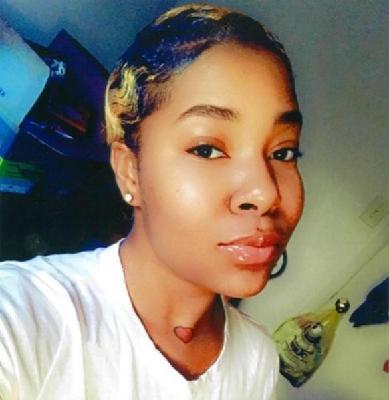
Jaelyn Barham-Wooden, 20, a Black woman, was shot late on the night of February 15, 2025, in Richmond’s East End. Just before 10:45 p.m., patrol officers were dispatched to the 1300 block of Jennie Scher Road after a call came in that someone had been shot. The address sits near the Ashley Oaks Apartments and not far from Gillies Creek Park, a stretch of the city that can feel quiet until sirens turn the neighborhood into a spill of flashing lights and hurried voices.
When officers reached the apartment, they found Barham-Wooden inside suffering from gunshot wounds. Investigators described it as a homicide investigation almost immediately, and she was rushed from the scene to a local hospital. Despite the emergency response, she died from her injuries, turning an already chaotic call into the kind of night that leaves a permanent scar on everyone who was there. Richmond Police asked anyone with information to contact Major Crimes detectives as they began piecing together what happened inside that apartment and who might have pulled the trigger.
In the days that followed, detectives kept the public-facing details tight: no motive released, no clear explanation of what led to the gunfire, and no publicly described relationship between the shooter and the victim. The case moved forward through investigative work and the court system rather than press conferences, and by the end of February, authorities had focused on a suspect.
Richmond Police later announced that Damarcus Branch, 22, of Petersburg, had been charged in connection with Barham-Wooden’s killing. The charges listed were murder and use of a firearm in the commission of a felony, and police said Branch was served with indictments on February 27, 2025. Even with an arrest and formal charges filed, investigators did not publicly spell out a motive or the nature of any connection between Branch and Barham-Wooden, leaving the “why” as the question hanging over the case as it entered the slow, procedural gravity of the courts.