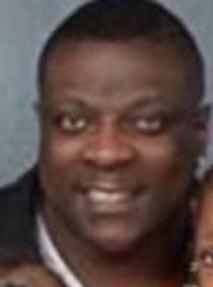
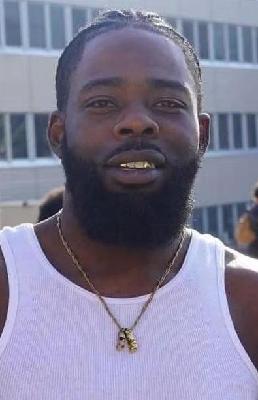
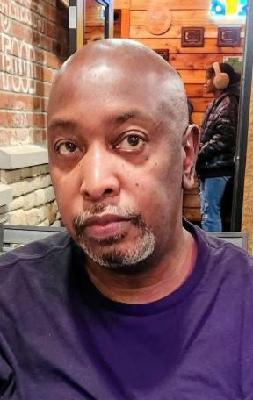
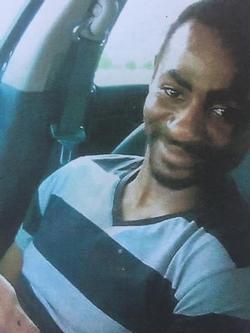
Dequon Garrett, a 23-year-old Black/African American man, was shot and killed on the night of January 14, 2025, on Milwaukee’s north side. The shooting occurred at about 10:30 p.m. near North 90th Street and West Hampton Avenue. Milwaukee police responding to the area found Garrett unresponsive with gunshot wounds to his head and abdomen. He was pronounced dead at the scene, and the Milwaukee County Medical Examiner’s Office later publicly identified him.
Investigators recovered two handguns near Garrett’s feet as well as two spent cartridge casings near his body.
What initially appeared to investigators to be a deadly confrontation became more complicated as they began interviewing the people who had been present. According to the criminal complaint, a civilian had recorded cellphone video of the encounter. The approximately 31-second recording reportedly showed five people, including Garrett, gathered near a Chevrolet Impala. Garrett was involved in an argument with another man and at one point pushed him. As Garrett stepped toward that man, prosecutors said another person suddenly fired at Garrett from point-blank range, striking him in the head.
The people around Garrett fled immediately after the first gunshot, but the alleged shooter did not leave with them. According to investigators’ description of the video, the shooter instead approached Garrett after he had fallen and fired another round into his abdomen before walking away. Voices captured on the recording could reportedly be heard shouting “Quay,” which became significant as detectives worked to determine who had actually fired the shots. Investigators described the video as clearly distinguishing the shooter from the man with whom Garrett had originally been arguing.
The investigation was initially complicated by conflicting accounts from members of the family connected to the confrontation. A woman reportedly told authorities that one of her sons had killed Garrett. Police located that man in a nearby residence and recovered a firearm. He initially told investigators that he was responsible, saying Garrett had two guns and that he believed Garrett was going to shoot him. During further questioning, however, his account changed. He eventually told detectives that his brother, Quayvonne Johnson, had actually fired the shots. According to the criminal complaint, the man became emotional and explained that he had not wanted to lose members of his family.
Johnson was subsequently identified by prosecutors as the alleged shooter. He was arrested the day after the killing. Investigators said Johnson initially acted as though he did not know why he was being questioned, telling police only that he had heard there was a dead body near his mother’s home. Even after being shown the cellphone recording, he initially denied that he was the person seen shooting Garrett. He also gave detectives an account in which Garrett allegedly had two firearms, had struck or “smacked” one of Johnson’s family members during the dispute, and had pointed a gun toward Johnson’s brother.
As the interview continued, Johnson ultimately admitted firing two shots, according to investigators. He reportedly said he used his brother’s firearm. Johnson claimed that after the first shot, he fired the second because he believed Garrett was reaching for a gun. Police said the cellphone footage did not support that portion of his explanation, reporting that Garrett did not appear to move before the second shot was fired. That distinction became particularly important because prosecutors alleged the second shot was fired after Garrett was already down and the other people at the scene had fled.
Prosecutors charged Quayvonne Johnson with first-degree reckless homicide and possession of a firearm by a felon. At the time the charges were publicly reported, Johnson’s cash bail was set at $250,000, and a preliminary hearing was scheduled for January 29, 2025. The case against him was based heavily on the witness-recorded video, statements from those who were present, physical evidence recovered at the scene, and Johnson’s eventual admission that he fired the two shots.
The publicly available reporting located for this synopsis documents Johnson’s arrest and the criminal charges filed against him, but it does not provide a reliably verified final trial verdict or conviction in Garrett’s death. Accordingly, Johnson remains described here as the person charged and accused in connection with the killing rather than as having been convicted of the homicide.