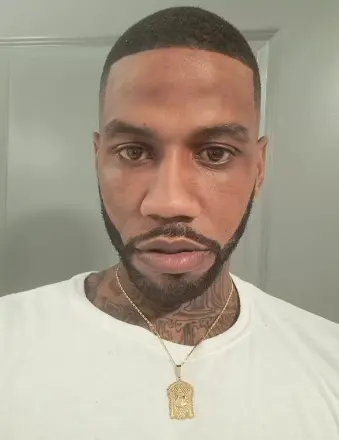
Clayton Wyatt, 39, a Black man from Richmond, Virginia, was shot late on the night of February 25, 2025, in the city’s Southside, in the 1700 block of Southlawn Avenue near Commerce Road. Just before midnight, officers were dispatched for a report of a person shot, and when they arrived they found Wyatt on the ground suffering from a gunshot wound.
He was rushed to a local hospital, where he died from his injuries in the hours that followed.
In the first hours after the shooting, the scene on Southlawn Avenue became the beginning of a homicide investigation rather than an ending anyone could make sense of. Detectives began working backward from the moment of violence, while the Medical Examiner was expected to determine the official cause and manner of death. Public details were scarce at the start, with no immediate suspect information released, leaving friends and neighbors with only the stark outline of what happened: a gunshot, a desperate call for help, and a life that slipped away after the ambulance doors closed.
As the days turned into weeks, the case remained tied to that narrow slice of time around midnight—what brought Wyatt to Southlawn Avenue, who else was there, and what unfolded in the moments before the shots were fired. Investigators continued to build the timeline, leaning on interviews and whatever evidence could be pulled from the scene and its surroundings, while the city grappled with yet another loss to gun violence.
Months later, authorities announced a break. Two suspects were arrested and charged in connection with Wyatt’s killing: R’Keem Thomas, 35, of Chesterfield, and Rodney Staples, 34, of Richmond. Both were charged with murder and use of a firearm in the commission of a felony. According to officials, Thomas turned himself in on March 5, 2025. Staples, however, was located out of state and was arrested in Houston, Texas, on June 2, 2025, with the assistance of the U.S. Marshals Regional Fugitive Task Force.
With both men in custody facing serious charges, the investigation shifted from the urgency of identifying suspects to the long, procedural path of prosecution. Public reports did not describe a motive or lay out the evidence in detail, but the arrests marked a turning point: the killing that began in the dark along Southlawn Avenue was no longer an unanswered question, but a case moving into the courts, carrying Wyatt’s name forward into every hearing that followed.