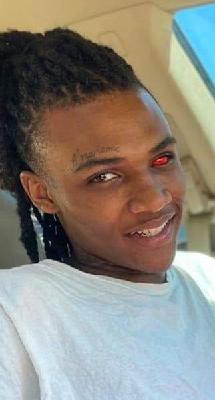
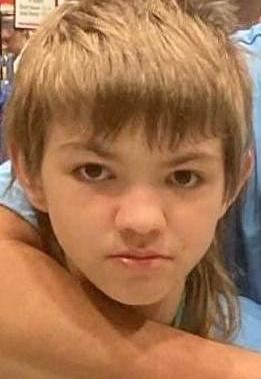
Rolando Donta McConnell, a 40-year-old Black man from Muskogee, Oklahoma, was shot multiple times on the evening of March 8, 2025, on a residential stretch near West 24th Street and Topeka Avenue. Around 6:09 p.m., police were called to reports of gunfire and found him lying in the street with numerous gunshot wounds. Medics rushed him to a local Muskogee hospital, but despite efforts to save him, he was pronounced dead a short time later.
Investigators later detailed that the shooter had unleashed a barrage of rounds at close range, striking Rolando again and again before fleeing the scene in a car witnesses described as a white Malibu.
What happened to Rolando was intertwined with an earlier eruption of violence that same evening in nearby Oktaha. Not long before the Muskogee shooting, deputies had responded to Five Star Recycling, where two women had been shot and one, identified as Amie Maxwell, was killed. At that scene, Muskogee County authorities quickly identified 26-year-old Aaron O’Neal Wilson as the suspect and broadcast his name and vehicle description after learning he had already fled. That alert was still fresh when the call came in from Muskogee about the man shot in the street, and the details from witnesses — the same distinctive white Malibu speeding away — began to connect the shootings in Oktaha and Muskogee into a single, terrifying chain of events.
Soon after Rolando was gunned down, Creek Nation Lighthorse officers spotted the suspect vehicle at a gas station near 40th Street and Okmulgee Avenue in Muskogee. When they and Muskogee police tried to stop the car, the driver refused to surrender and instead opened fire on pursuing officers, turning the city’s streets into the final leg of a rolling gun battle. The chase ended near 5th Street and Martin Luther King Street, where, according to investigators, the suspect continued to shoot at officers until they returned fire and brought him down. He survived his wounds, received medical treatment, and was then booked into the Muskogee County Detention Center as the man authorities say was responsible for both the Oktaha shootings and the killing of Rolando in Muskogee.
In the days that followed, the picture of the case hardened into formal charges. Prosecutors identified the suspect as Aaron O’Neal Wilson and filed multiple counts of first-degree murder, including one for the death of Rolando, along with charges of shooting with intent to kill, burglary, kidnapping, conspiring to commit a violent act, and possessing a firearm after a prior felony conviction. Court officials reported that an additional murder count tied specifically to Rolando’s shooting was added as the investigation progressed. Wilson was ordered held in the Muskogee County jail without bond and scheduled for a court appearance on April 1, as the community tried to absorb how a single evening had left two people dead, others wounded, and officers forced into an armed confrontation in the streets.
While the criminal case moved forward, the story of Rolando’s life emerged more quietly through obituary notices and memorial pages. Funeral directors in Muskogee described him as a local resident whose family elected to hold a visitation rather than a full funeral ceremony, inviting friends and loved ones to pay their respects on March 21, 2025, at a chapel on South 6th Street West. Online memorials recorded his birth year of 1984 and invited people to light virtual candles and share memories, with those who knew him remembering a man who worked with his hands and was known for his calm, caring nature and generosity toward others. In those messages, the clinical language of police reports and charging documents fell away, replaced by the simple insistence that behind the headlines and timelines was a neighbor and loved one whose absence would be felt long after the crime scene tape came down.