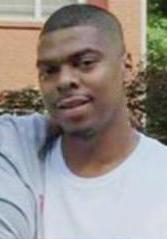
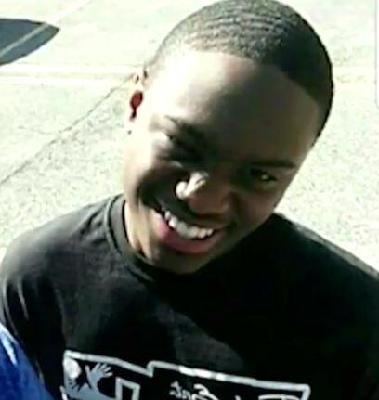
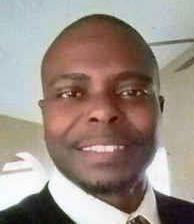
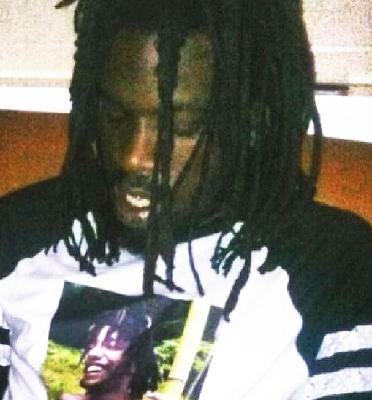
Kenneth Collier Jr., a 17-year-old Black male, was fatally shot on January 9, 2025, at the Residence at Riverside apartment complex on Riverside Parkway in the Austell area of Cobb County, Georgia. Cobb County police were dispatched at about 8:22 p.m. after reports of gunfire. When officers arrived, they found Collier suffering from multiple gunshot wounds. He was transported to a hospital, but doctors were unable to save him. His father, Kenneth Collier Sr., later described rushing to Grady Memorial Hospital after learning his son had been shot and arriving after efforts to revive him had failed.
In the first days after the killing, authorities released few details about what had happened inside the apartment complex. Collier's father said he understood that his son had gone to visit a friend, while other family accounts indicated that Collier had been spending time with relatives before going to the Riverside complex. Police initially did not publicly identify a motive, explain Collier's relationship to anyone involved, or say whether he had been an intended target. The case became especially painful for his family because Collier had already experienced gun violence at a young age: his mother, Tamika Trimble, had been shot to death in southeast Atlanta in 2017, a homicide that remained unsolved. In the years afterward, Collier became involved in anti-gun-violence and anti-bullying advocacy, created a business called Button Buddy that promoted positive social messages, spoke publicly about violence, and wrote the book Button Buddy Stops Bullying: And So Can You.
The investigation produced its first major break several weeks later. On February 6, 2025, Cobb County authorities arrested Onri Zeron Crawford and charged him with felony murder and aggravated assault in connection with Collier's death. An arrest warrant alleged that Crawford had been involved in a shootout with several people inside the apartment and identified an AR-style pistol as the weapon he possessed. Crawford was also booked on a probation violation and was being held without bond when his arrest became public. At that stage, Collier's father said he was relieved that investigators had made an arrest but believed additional people were being sought.
The case widened on February 25, when authorities arrested a second suspect, Ryan Crowder, on the same principal charges. The fuller account of what prosecutors believed happened emerged after a Cobb County grand jury returned an indictment in early March. According to the indictment, Crawford and Crowder were not simply present during an unexplained exchange of gunfire; prosecutors alleged that they were attempting to steal Collier's firearm. The charging document accused them of trying to take the gun from Collier's person or immediate presence through the use of a weapon. Arrest warrants stated that Crawford and Crowder became involved in a shootout with several people inside the apartment, and Collier was struck multiple times during the gunfire. Crowder was identified in court-related reporting as a resident of the apartment complex, while Crawford was listed as living in Atlanta.
A Cobb County grand jury ultimately indicted Crawford and Crowder on seven felony counts connected to the episode. The charges included murder-related offenses, aggravated assault, criminal attempt to commit a felony, and possession of a firearm during the commission of a felony. The attempted-felony allegation was tied to the prosecution's claim that the two defendants intended to take Collier's gun. The indictment therefore placed the fatal shooting within what prosecutors characterized as an attempted armed theft that escalated into a gun battle rather than a random shooting with no known objective. Those allegations remained accusations to be proven in court, and the indictment itself did not establish either defendant's guilt.
Collier's death drew considerable attention because of the contrast between the violence that ended his life and the advocacy that had grown out of his mother's killing. Family members and mentors remembered him as outgoing, ambitious and deeply affected by the earlier loss, but also as someone who tried to turn that experience into work against bullying and gun violence. Vigils were held in his memory, and his father continued speaking publicly about the impact of gun violence after the killing. Later in 2025, his father established an organization called Future Without Fears to address gun violence in metro Atlanta and support families dealing with its consequences.
The publicly available reporting located for the case shows both Crawford and Crowder were arrested and formally indicted, but it does not establish that either had been convicted or sentenced for Collier's killing. The most substantive published court developments located describe the arrests and the grand jury indictment, rather than a completed homicide trial or final judgment. Accordingly, the case should be described as involving two defendants accused of participating in the attempted theft and shootout that resulted in Kenneth Collier Jr.'s death, with the murder and related charges remaining allegations unless and until resolved by the courts.