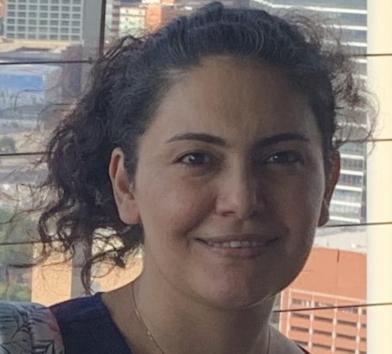
Gena Lee Turner, a 20-year-old woman, was tragically murdered on May 4, 1986, in Texas. On that day, Turner, along with 19-year-old Bryan Boone and 18-year-old Suzanne Harrison, embarked on a trip to Lake Hawkins, located approximately 100 miles east of Dallas. Their outing took a horrific turn when they encountered Jerry Walter McFadden, a convicted serial rapist and murderer known as "The Animal".
McFadden, who had a long history of violent crimes, attacked the group. Turner and Boone were executed with a. 38-caliber pistol, while Harrison was subjected to sexual assault before being strangled with her own underwear. McFadden had previously been convicted of multiple rapes and had served time in prison, yet he was released on parole multiple times, including in 1985, less than a year before committing these murders.
Authorities swiftly identified McFadden as the prime suspect. Witnesses reported seeing him in the vicinity of the crime scene, and investigators discovered ammunition in his possession that matched the bullets used in the killings of Turner and Boone. McFadden was arrested on May 6, 1986, just two days after the murders. However, before his trial could commence, he managed to escape from jail, taking a female prison officer hostage. His escape triggered what was described as "the biggest manhunt in Texas history," involving over 1,200 officers.
McFadden was recaptured after three days and subsequently faced trial for the murders. Despite pleas from his daughter for leniency, he was convicted and sentenced to death. His execution by lethal injection took place on October 14, 1999. Years after his execution, forensic investigators linked McFadden to an unsolved 1979 murder in Oregon through DNA evidence, further solidifying his status as a serial offender.
The tragic deaths of Turner, Boone, and Harrison remain a stark reminder of the dangers posed by repeat offenders and the consequences of parole decisions. Their case also underscores the importance of forensic advancements in solving cold cases and ensuring justice for victims.