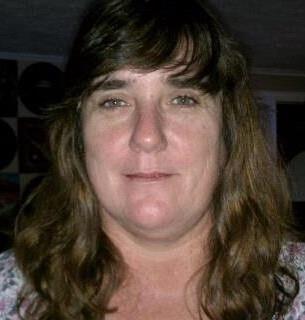
In the heart of Montgomery, Alabama, the life of Rhonda Belle Thomley, a 50-year-old woman, came to a dramatic and state-sanctioned end on October 11, 1957. Her death was not the result of a random act of violence or a tragic accident, but rather the final chapter in a dark story of her own making. Thomley, also known by her married name, Rhonda Belle Martin, was a waitress whose unassuming exterior concealed a shocking secret.
For years, she had been systematically poisoning her own family members.
The long trail of mysterious deaths surrounding Rhonda finally came to light after her fifth husband, Ronald Martin, who was also her stepson, fell gravely ill. Doctors discovered that he was suffering from arsenic poisoning. This revelation triggered an extensive investigation into the untimely deaths of several of Rhonda's other family members. The investigation led to a series of exhumations and autopsies, which confirmed that they too had been poisoned with arsenic.
In March 1956, Rhonda Belle Martin confessed to the murders of her mother, two of her husbands, and three of her own children. While she was only tried and convicted for the murder of her fourth husband, Claude Carroll Martin, her confession painted a chilling picture of a woman who had methodically eliminated those closest to her. Prosecutors suggested that insurance money may have been a motive, though the amounts collected were reportedly only enough to cover burial expenses. Rhonda herself offered no clear explanation for her actions.
Following her conviction for the murder of Claude Martin, she was sentenced to death. Her case went through the appeals process, but her conviction and sentence were upheld. On that October day in 1957, at Kilby Prison, Rhonda Belle Martin was executed in the electric chair. She was the last woman to be executed in Alabama for several decades. In a final note, she requested that her body be donated to science in the hope that it might offer some understanding of why she committed such terrible acts.