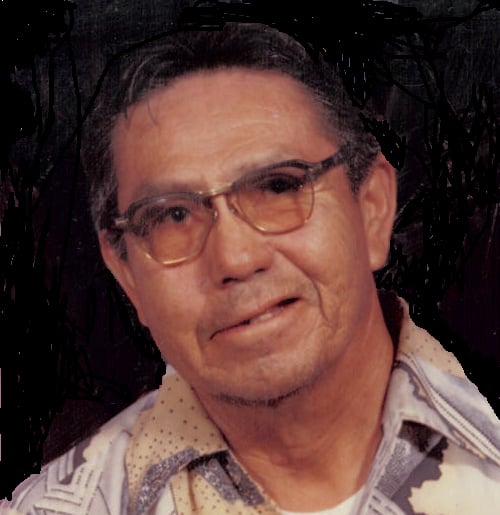
The charter boat captain white male, James O. Plunkett worked the waterways out of Juneau, Alaska, proudly running a 40-foot cruising launch he had finished just two years earlier and christened Lou. He was known locally for carrying passengers and freight through the channels—a steady presence in a rough country. Sometime in 1915, as summer tilted toward fall, Plunkett vanished.
His launch disappeared with him, and the bustle of the docks was suddenly punctured by rumors about a smooth-talking stranger who had lately been seen in his orbit.
Investigators began to fix on a Petersburg man calling himself Edward Krause. He had a knack for slipping into authority's clothing—literally—impersonating a federal officer to take men into his custody and then walk away with their property. When the Treadwell Mine on Douglas Island realized one of their own had also disappeared after leaving with the same supposed marshal, they posted warnings and pressed for a warrant. When detectives finally searched Krause's belongings after a capture in Puget Sound, they turned up forged documents, bank records and real-estate papers that tied him to multiple vanishings—including the Juneau charter captain whose boat and livelihood had gone silent. Plunkett's vessel was never recovered to bring him home.
No body was found, but the trail of paper and impersonations told a grim story. Territorial authorities, joined by the young Bureau of Investigation and federal agents, pieced together a pattern of disappearances stretching from 1912 to 1915—men traveling alone, often with some savings or assets, last seen with Krause. Plunkett became the first name prosecutors chose to carry into court, the anchor case for a larger web of suspected crimes that locals began to call a murder gang.
In July 1917, a Juneau jury convicted Krause of first-degree murder for killing the charter boat operator. The case was built on circumstantial evidence—documents and deceit in place of a body—but it convinced twelve Alaskans beyond a reasonable doubt. The Ninth Circuit Court of Appeals in San Francisco later affirmed the verdict, and the court in Juneau set a date for his hanging. The man Plunkett had allegedly trusted as an officer of the law would face the law's last sentence himself.
Then, days before the gallows could be readied, Krause sawed through jail bars and vanished into the dripping forests above Gastineau Channel, triggering the largest manhunt the territory had yet seen. Mines paused their pounding; fishing boats sealed the sea lanes; a thousand men searched house to house. A homesteader on Admiralty Island finally stopped the fugitive with a rifle shot and claimed the governor's reward—an ending as rough-edged and frontier-plain as the crime that had set it in motion. For Plunkett—male, his exact age unrecorded in the surviving accounts—the conviction brought formal blame to a suspect; the escape and violent recapture sealed the outlaw's legend. The captain's remains were never found, and the Lou/Lue never returned to the harbor that knew her lines.
Over time, local historians kept the charter captain's name on the page. A brief note in the Juneau historical files remembers the pride of that new launch in 1913 and, with it, the loss two years later that turned a working man into the central figure of a landmark murder trial. Community memory, newspaper clippings, and court records leave little doubt about the arrest, the suspect, and the verdict; they also leave the ache of a body not brought back, a date written only as 1915 in many ledgers, and a boat that slipped under the same fog as its master.