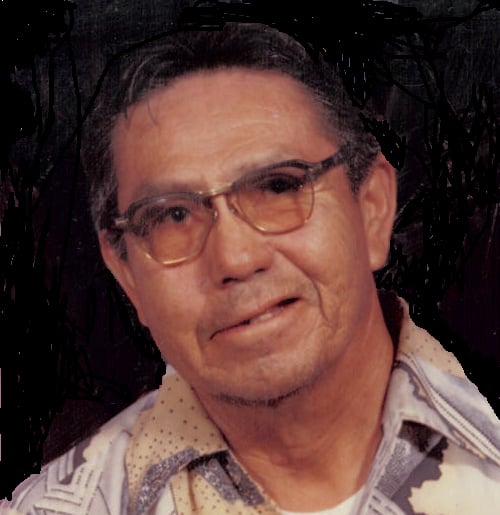
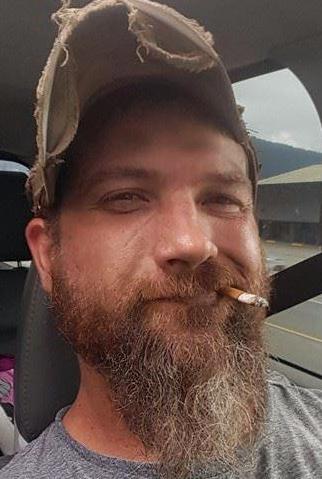
Asian male Simone Yung Kim, 26, was working as a painting contractor behind the Fred Meyer store in Juneau, Alaska, on August 4, 2006, when a stranger approached him with a sawed-off. 22-caliber rifle. In a sudden, senseless burst of violence, the gunman opened fire, striking the 26-year-old repeatedly as he lay on the ground. The killing shocked Juneau—it was the city's first homicide in five years—and it ended the life of a young Anchorage tradesman whose day had begun as routine
maintenance work at a busy retail site.
Witnesses would later tell jurors that the attacker wielded a Ruger 10/22 rifle that had been illicitly taken hours earlier from a nearby gun shop, Rayco Sales, after cash was left on the counter. A landscaper, Ed Buyarski, managed to wrest the weapon away, but the shooter fled into the adjacent woods before officers converged on the area. Investigators recovered the modified rifle and, through eyewitness accounts, shoe-print evidence, and DNA testing, began assembling a tight chain of proof that tied the gun and the flight path back to the suspect.
Police arrested 28-year-old drifter Jason Michael Coday, who had arrived in Juneau two days earlier by state ferry. Prosecutors charged him with first-degree murder, and a grand jury returned an indictment later that month. At trial the following spring, jurors heard from store employees who saw the shooting and from the gun-shop owner who identified the stolen rifle; forensic testimony reinforced the identification of Coday as the gunman. On May 15, 2007, the jury convicted him of first-degree murder.
The 26-year-old victim's family would watch as the court imposed a 99-year term for murder, plus an additional two years for weapons misconduct tied to the altered barrel, for a total 101-year sentence. Coday's appeals failed; in January 2017, the Alaska Court of Appeals upheld the conviction and sentence, noting that the record did not support a viable mental-disease defense.
Beyond the criminal case, the family pursued accountability in civil court, alleging that the gun-shop owner bore responsibility for the weapon used to kill the 26-year-old. A Juneau jury ultimately cleared the former dealer of liability in June 2015 after a two-week trial, bringing an end to that parallel effort even as the criminal judgment against the killer remained intact.