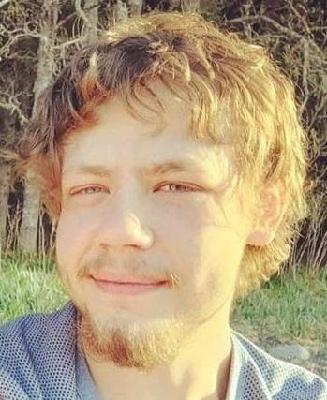
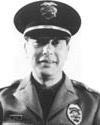
A Native American male Brandon Christopher Cook, age 30, died on October 20, 2015, after he was shot inside a mobile home at the Kodzoff Acres Trailer Park in Juneau, Alaska. He had moved to Juneau from Oklahoma nearly a decade earlier and was known for working two jobs — in the produce section at Safeway and on the ramp at Juneau International Airport for Alaska Airlines.
Co-workers and friends remembered him as the kind of person who made others laugh and who built a chosen family in Juneau, where he had no blood relatives. That evening, he was helping a friend prepare her recently purchased trailer for move-in when violence shattered the routine of cleaning and painting.
Police identified Christopher Strawn as the suspect soon after the shooting, and he was arrested and charged with first- and second-degree murder. Early court filings and later testimony painted a stark scene: after a dispute, Strawn left the trailer, returned with a shotgun, and fired a close-range shot into the back of Cook's head, an act prosecutors later characterized as “execution-style.” In the days that followed, investigators collected evidence and witness statements, including a 911 call from Cook's friend who had been in the trailer and described the gunshot and immediate aftermath. Strawn pleaded not guilty, maintaining his innocence as the case moved toward trial.
The first trial in early 2017 ended abruptly in a mistrial, resetting the process and forcing friends and family to brace for another round in court. When the case was retried that fall, prosecutors again presented witnesses who placed Strawn at the scene and recounted the threat and the blast that took Cook's life. After only a few hours of deliberation in October 2017, a Juneau jury returned guilty verdicts on every count tied to the killing, including first- and second-degree murder, manslaughter, criminally negligent homicide, and third-degree assault. With guilt established, attention turned to the sentence that would measure the community's response to a life cut short.
In June 2018, the court imposed a lengthy punishment: 88 years for murder plus an additional two years for assault, effectively a 90-year sentence, with the judge emphasizing the gravity and senselessness of the crime. Family, friends, and former co-workers of the 30-year-old gathered in the courtroom to speak about the man they had lost — a reliable colleague, a devoted friend, and a son and brother whose absence still echoed years after that night at Kodzoff Acres. The sentence closed the legal chapter, but memorial pages, workplace remembrances, and graveside tributes continued to capture how deeply the loss of a 30-year-old man resonated in Juneau.