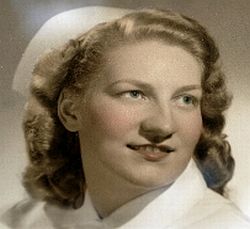
In the quiet suburb of South Temple, Pennsylvania, a gruesome discovery shattered the peace on an Easter Monday in April 1979. Myrtle Rupp, a 51-year-old widowed nurse, was found brutally murdered in her home. She had been recovering from foot surgery, a detail that added a layer of vulnerability to the shocking crime. A concerned neighbor who had been helping with her trash during her recovery entered her house and found her deceased in her bed, bound with the sash cord from her living room drapes. The initial investigation yielded little evidence, leaving the community in fear and the case cold for decades.
For nearly thirty years, the murder of Myrtle Rupp remained an unsolved tragedy, a haunting memory for the residents of the small Pennsylvania town. The lack of significant leads and the forensic limitations of the time meant that justice for Myrtle seemed increasingly unlikely. The initial shock and horror faded into a lingering sense of unease, with no answers as to who could have committed such a violent act in their peaceful neighborhood.
The break in the case finally came in 2007, thanks to advancements in DNA technology. Investigators were able to link evidence from the crime scene to a man already incarcerated for other violent crimes: Timothy Krajcir. Krajcir, a serial killer, was serving time in Illinois for a series of rapes and murders committed across several states in the late 1970s and early 1980s. Faced with the new DNA evidence in the Rupp case, Krajcir confessed to her murder as part of a plea deal to avoid the death penalty for another crime.
Timothy Krajcir admitted to the rape and slaying of Myrtle Rupp, adding her name to a list of his many victims. His confession brought a long-overdue resolution to the case, finally providing answers to a community that had been left in the dark for so long. As part of his confessions to a string of violent crimes, Krajcir pleaded guilty to numerous murders and rapes. He was ultimately sentenced to multiple consecutive life sentences, ensuring he would spend the rest of his life in prison for the reign of terror he conducted, which included the tragic and violent death of Myrtle Rupp.