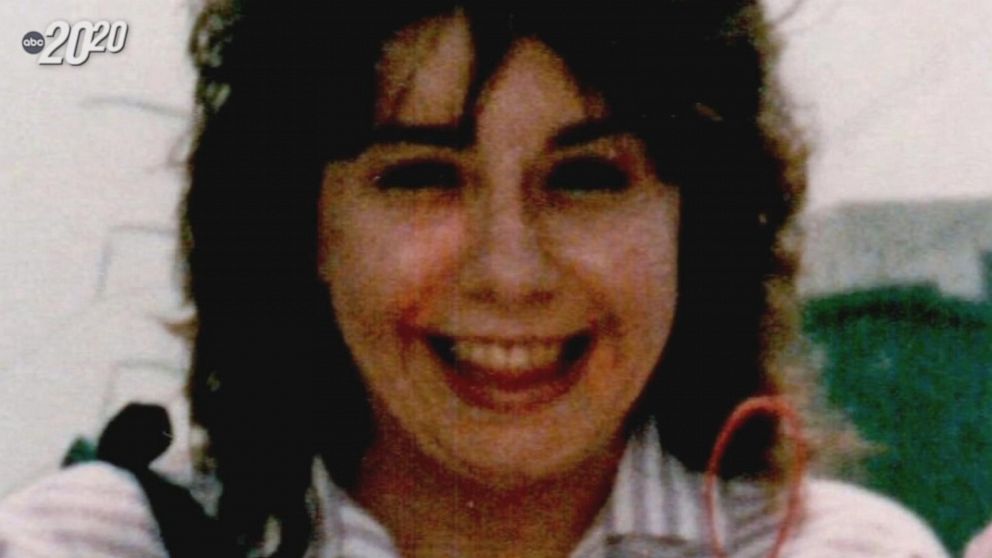
Taunja Bennett, a 23-year-old woman from Portland, Oregon, was reported missing on January 21, 1990. The following day, her body was discovered near a switchback in the Columbia River Gorge along the Old Columbia River Highway. She had been beaten, sexually assaulted, and strangled to death. An autopsy later confirmed that strangulation was the cause of death.
Initially, the investigation into Bennett's murder faced challenges due to a lack of leads or eyewitnesses.
However, a breakthrough seemed to come when a woman named Laverne Pavlinac implicated herself and her partner, John Sosnovske, in the crime. Pavlinac claimed that she had overheard Sosnovske bragging about the murder at a bar and later stated that she had helped him dispose of Bennett's body. Authorities arrested Sosnovske based on her statements, despite the absence of forensic evidence linking him to the crime. Witnesses also reported seeing Bennett in a bar with two unidentified men on the night of her disappearance, neither of whom resembled Sosnovske.
The case took a dramatic turn when Pavlinac recanted her confession, revealing that she had fabricated the story to escape an abusive relationship with Sosnovske. Despite her retraction, both Pavlinac and Sosnovske were convicted and sentenced to prison. Meanwhile, the real perpetrator, Keith Hunter Jesperson, continued his killing spree. Jesperson, later known as the 'Happy Face Killer,' was a Canadian-American serial killer who murdered at least eight women in the United States during the early 1990s. He preferred strangulation as his method of killing, the same technique used in Bennett's murder.
Jesperson eventually confessed to Bennett's murder, providing details that only the true killer would know. Frustrated by the lack of media attention on his crimes, he wrote anonymous letters to authorities and the press, signing them with a smiley face. His confession led to the exoneration of Pavlinac and Sosnovske, who had spent years in prison for a crime they did not commit. Jesperson was later convicted of multiple murders and sentenced to life imprisonment without the possibility of parole until 2063. He remains incarcerated at the Oregon State Penitentiary.
The wrongful conviction of Pavlinac and Sosnovske highlights the dangers of false confessions and the impact of coercive interrogation tactics. Their case serves as a cautionary tale about the importance of thorough investigations and the need for forensic evidence in criminal prosecutions. Bennett's tragic death and the subsequent miscarriage of justice remain a significant chapter in the history of criminal investigations in the United States.