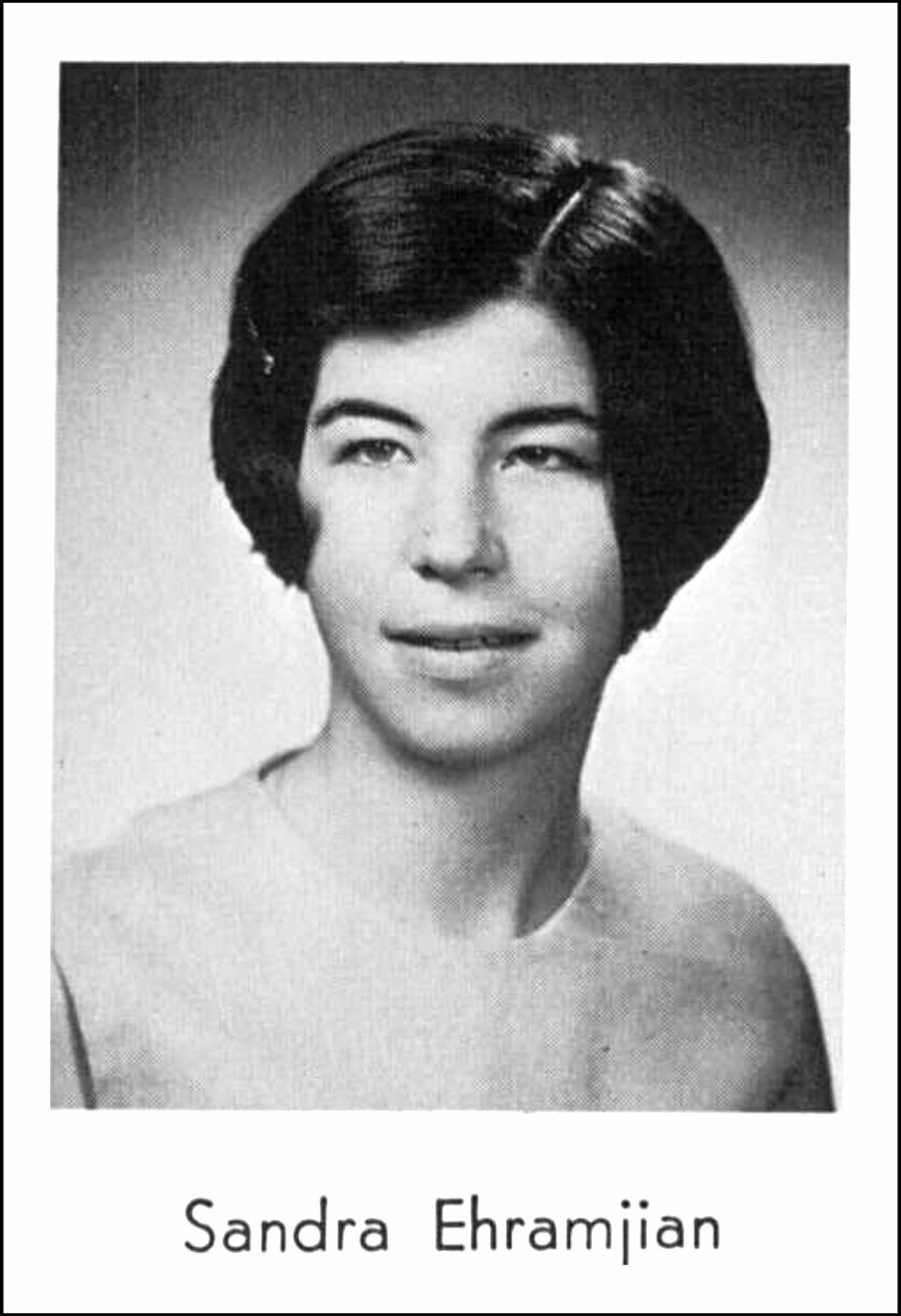
In the autumn of 1972, a palpable sense of fear gripped the Boston area as a series of brutal murders targeting young women cast a dark shadow over the region. Among the victims was Sandra Ehramjian, a 21-year-old White/Caucasian woman who was finding her way in the world. Having graduated from high school in New York, she moved to Massachusetts in 1971, seeking independence.
By the fall of 1972, she was living in Cambridge and working as a taxi driver.
On November 27, 1972, Sandra left her apartment with the intention of hitchhiking to her family's home in New York for a visit. Tragically, she would never arrive. The following day, her body was discovered in a park in Brockton, Massachusetts. An autopsy would later reveal that she had been sexually assaulted and strangled. Her death was quickly linked to the string of "Hitch-Hike Murders" that had been terrorizing the area for months.
The investigation into these crimes intensified, and in December of 1972, a major breakthrough occurred. Police engaged in a high-speed chase and shootout with a suspect driving a dark Cadillac. The driver, Anthony J. Jackson, was apprehended, bringing an end to the string of murders. Jackson was subsequently indicted for the murders of several women, including Sandra Ehramjian.
During his trial for Sandra's murder, prosecutors presented compelling evidence. A witness testified to seeing Sandra get into a car matching the description of Jackson's vehicle. Furthermore, an FBI chemist confirmed that hairs found in Jackson's car were consistent with hair samples from Sandra's body. Despite this evidence, and his conviction for other murders in the series, the jury delivered a shocking verdict. Anthony J. Jackson was acquitted of the murder and rape of Sandra Ehramjian. Though he would spend the rest of his life in prison for the other killings, the question of who was responsible for Sandra's death officially remained unanswered in the eyes of the law.