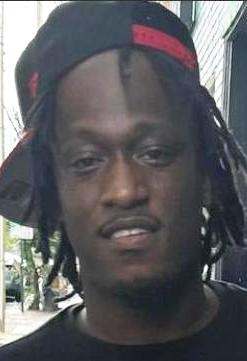
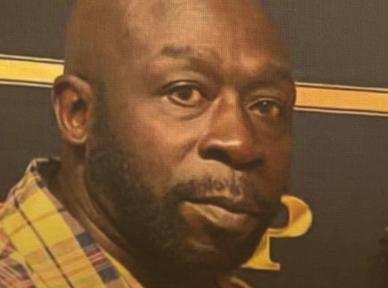
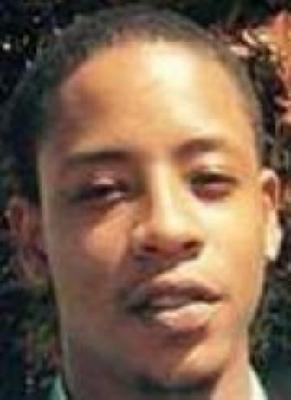
In June 1974, Leonard Hudson Sr., a male patient in Petersburg, Virginia, became one of the names later tied to a chilling spike in sudden deaths inside the coronary care unit at Petersburg General Hospital. Patients who were expected to recover were dying without warning, their charts offering no clear medical reason, as if their hearts simply stopped. The timing of the deaths became impossible to ignore: they were clustering in the same overnight window, between 11 p.m.
and 7 a.m., the shift hospital staff called the graveyard shift.
As administrators and doctors searched for what the victims had in common, they began cross-checking employee schedules against the times when the patients’ vital signs failed. One name surfaced again and again—Lee “Roy” Hargrave Jr. He was a young nurse’s aide working nights, and he wasn’t just present; in many cases he was the one who sounded the alarm, calling for emergency “code blue” responses. At first, the hospital treated it as an internal problem, watching quietly and trying to be certain before taking any action. Even under heightened attention, more patients continued to die overnight, deepening the dread that something deliberate was happening in the unit.
After the death of a well-regarded former schoolteacher, Josephine L. Thomas, suspicion hardened into a full criminal investigation involving the Commonwealth’s attorney, the state medical examiner, and toxicology testing. Laboratory work identified lidocaine as the fatal agent in Thomas’s death—a drug that depresses the heart’s activity, powerful enough to stop it, and one she had not been prescribed. With that discovery, investigators began re-examining other deaths from that same month. Bodies were exhumed, and tests on additional victims indicated lethal doses of lidocaine. Leonard Hudson Sr. was among those deaths investigators connected to that pattern.
Hargrave was indicted and arrested on August 14, 1974, initially for Thomas’s murder. As the investigation widened, he was charged with first-degree murder in other cases, and he was indicted for six deaths in all, including Leonard Hudson Sr. Hargrave pleaded not guilty. In 1975, he went to trial for the murder of Josephine L. Thomas, a proceeding that featured extensive testimony about what had been happening in the hospital and evidence intended to show a broader scheme of killings within the unit.
On May 8, 1975, a jury found Hargrave guilty, and the judge sentenced him to life in prison. Despite the additional indictments, he was never tried for the other five alleged murders, including the death of Leonard Hudson Sr. Decades later, because of how Virginia law worked at the time of Hargrave’s conviction, he became eligible for parole. The Virginia Parole Board granted parole in November 2009, and Hargrave was released on December 31, 2009—leaving Leonard Hudson Sr.’s case, like the other untried indictments, without a separate courtroom verdict.