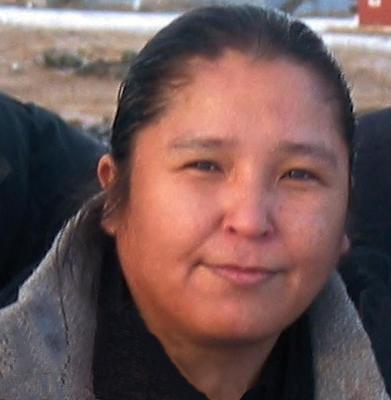
On the frigid night of December 22, 1971, White/Caucasian female, Celia “Beth” Van Zanten, age 18, left her family's home on Knik Avenue in Anchorage to walk a short distance to a nearby BI-LO supermarket and never arrived. Two days later her brothers reported her missing. On Christmas Day, December 25, hikers at McHugh Creek in Chugach State Park discovered a young woman's body in subzero temperatures; troopers identified her as the missing 18-year-old.
Her wrists were bound behind her back with stereo speaker wire, she was nude from the waist down, and her chest had been slashed. Forensic findings indicated she had been assaulted and then left alive in a ravine, where she tried to claw her way back up the icy slope before succumbing to exposure. Several items of clothing, including her jeans and parka, were missing when she was found.
The investigation spiraled through dead ends and conflicting leads. The speaker wire—described as a double-strand, black-and-white stereo wire possibly manufactured in Japan—was the most tangible piece of physical evidence, but efforts to trace its origin through local vendors and even Interpol went nowhere. Early forensic testing also had limits: semen recovered could only be typed by blood group, not matched to an individual, and Alaska's bitter cold complicated estimates of time of death.
Attention soon turned to a local baker and avid hunter, Robert Hansen, who in the same period had abducted and raped other young women and would later confess to a string of murders across the Anchorage area. Investigators noted that Hansen kept an aviation map with hand-marked X's corresponding to body sites from his later crimes, and some later accounts claimed one X aligned with McHugh Creek. Yet Hansen denied involvement in the 18-year-old's death and, according to case retellings by investigators and authors, he had an alibi when questioned shortly after the body was found. No conclusive physical evidence tied him to the crime, and authorities have never charged him with this homicide.
Another name shadowed the case: Gary Zieger, a violent Anchorage offender later implicated in multiple killings and himself shot to death along the Seward Highway in November 1973. Troopers considered whether Zieger could have been responsible for the 18-year-old's abduction and death, but, as with Hansen, the lead never hardened into charges. Contemporary and retrospective accounts by Alaska crime historians emphasize that, despite overlapping timelines and M.O. parallels, evidence remained circumstantial.
Decades on, the file remains open. The place where she was found—McHugh Creek in the vast Chugach State Park—still frames the grim outline of what happened: a short neighborhood errand turned into a nightmarish abduction; bindings cut into her wrists; a desperate scramble up an icy ravine that ended inches from safety. No arrests have ever been announced for the murder of the 18-year-old, and the case endures in Alaska lore as a haunting, unsolved crime from the winter of 1971.