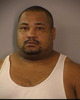
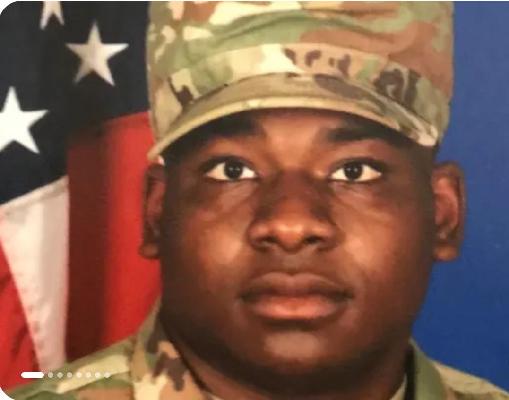
Marco M. Lugo, 19, male, was riding with others in a white GMC Yukon in the early morning hours when a simple night out in Kansas City, Missouri turned into something irreversible. It was the kind of hour when the city feels half-asleep and half-alive, when music still lingers in the air and headlights slide across emptier streets. The Yukon had just pulled away from a nightclub, the group likely expecting nothing more than the last leg of the night—getting home, shaking off the noise,
letting the evening fade into memory.
Instead, near 18th Street and Baltimore Avenue, another car came up alongside them: a blue Ford Taurus that would later be remembered for a strangely specific feature, a gray roof with paint that had peeled away. Then, without anything clear to soften the moment or explain it, gunfire erupted. Shots tore into the SUV, and in the chaos that followed, Marco was hit. When police arrived after a call reporting the shooting, they found him slumped in the back seat, wounded and fading. He was rushed to a hospital, but not long after he arrived, he was gone.
A death like that doesn’t stay contained inside a report. It spills outward into the lives of everyone who knew him, changing what ordinary days feel like and turning milestones into reminders of what’s missing. For his family, time didn’t quiet what happened—it only stretched the ache longer, giving it new shapes: birthdays that felt wrong, holidays that carried an extra weight, mornings that began with the same question that had no answer. There’s a particular cruelty to losing someone young, especially in a moment that seems so sudden and senseless, because it steals not only a life but all the futures that should have followed.
As the months passed, the need for answers sharpened instead of fading. His family pushed for that answer in the only ways they could. By May 14, 2008, they had added $7,500 to an existing reward for information leading to an arrest, bringing the total to $8,500. That kind of decision is heavy with meaning. It’s a public insistence that Marco mattered, that his death should not be filed away as just another unsolved case. It’s also a quiet acknowledgment of something families in this position come to understand too well: someone out there may know what happened, may have seen that Taurus, may have heard someone talk, may have recognized the car’s distinctive roof and peeling paint, and has chosen—out of fear, loyalty, guilt, or indifference—to stay silent.
The reward is a plea aimed directly at that silence. It’s an invitation to conscience, and if conscience isn’t enough, it’s an attempt to make the cost of keeping a secret feel higher than the cost of telling the truth. It suggests desperation, yes, but also determination—an unwillingness to let time erase the urgency of what happened on that stretch of road. It is a family trying to pull the case back from the edge of forgetting, to keep Marco’s name spoken aloud in the same breath as the demand for accountability.
And still, what remains publicly is the same hard emptiness at the center of the story: no suspects publicly identified, no arrests publicly listed, no public closure. The blue Ford Taurus—blue body, gray roof, paint peeling—hangs over the case like a shadowy outline, a clue that feels both close and impossibly far away. It’s the kind of detail that can haunt a family because it seems like the sort of thing someone would remember. Someone must have noticed it that night, seen it in a parking lot, watched it speed away, recognized it later in daylight. Yet whatever thread that description could have pulled loose never became the knot that unraveled the truth.
The tragedy is not only that Marco was killed, but that the people who loved him were left holding two burdens at once: grief, and the ongoing uncertainty of an unanswered crime. Kansas City kept moving, as cities do, but families don’t move on the same way. They learn how to live with the absence, but they do not stop listening for the moment when someone finally speaks. They carry the last known facts—where it happened, when it happened, what kind of car, what it looked like—because those facts are all that tether their loss to the possibility of justice. Somewhere behind that peeled paint and gray roof is the rest of the story, the part that ends this one properly: a name, a motive, a decision made in seconds that shattered a life forever. Until that happens, Marco’s death remains suspended between what is known and what is withheld, and the people who loved him are left waiting for the day when waiting finally ends.