Kimberly Ann Bowman Ruggles, a 23-year-old Caucasian woman, tragically lost her life on January 6, 1987, in Fayetteville, North Carolina. She was working as a taxi driver near Fort Bragg when she was brutally raped and murdered. Her body was discovered in a wooded area, and her cab was found abandoned nearby. The investigation revealed that she had been stabbed to death, and the crime was part of a series of violent acts committed by Ronald Adrin Gray, a former U.S.
Army Private stationed at Fort Bragg.
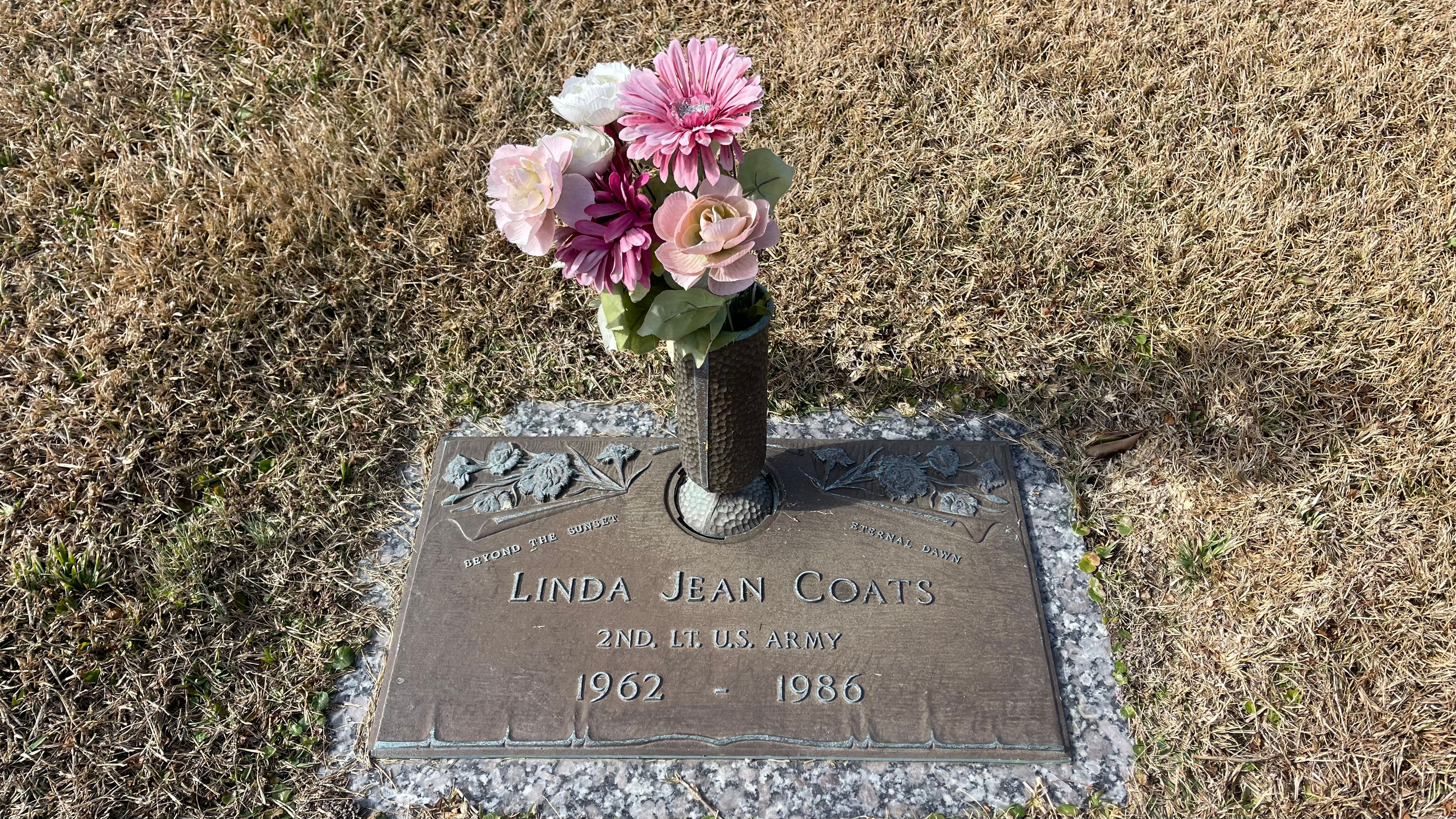
Ronald Adrin Gray, a serial killer and rapist, was convicted of multiple heinous crimes, including the murder of Kimberly Ruggles. Gray's reign of terror spanned 1986 and 1987, during which he committed several rapes and murders in the Fayetteville area. In addition to Kimberly Ruggles, his victims included other women, such as Army Private Laura Lee Vickery-Clay and Campbell University student Linda Jean Coats. Gray's crimes were marked by extreme violence, and he often targeted women in vulnerable situations.
In 1988, a military court sentenced Ronald Adrin Gray to death for his crimes, including the murder and rape of Kimberly Ruggles. This sentence made Gray the first service member to receive the death penalty since 1961. Despite the severity of his crimes and the court's decision, Gray has remained on death row for decades due to a lengthy appeals process. His case has been a source of frustration for the families of his victims, who have sought justice and closure for many years. Kimberly's father, Edward Bowman, has been a vocal advocate for the execution of Gray, expressing his determination to see justice served.
The case of Kimberly Ruggles highlights the devastating impact of violent crime and the challenges of navigating the legal system to achieve justice. Her tragic death remains a poignant reminder of the need for vigilance and support for victims and their families.