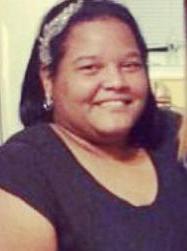
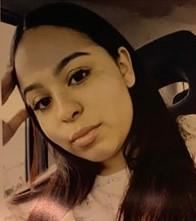
Barbara Mahoney, a 22-year-old woman, tragically lost her life on June 29, 1987, in a case that became part of a series of murders committed by Harrison Graham, a serial killer operating in Philadelphia during that time. Barbara Mahoney, along with six other women, fell victim to Graham's heinous acts. Graham, who was later convicted of seven counts of first-degree murder, used his apartment as the site of these crimes, which were characterized by strangulation during or after drug use and sexual encounters. The victims, including Barbara Mahoney, were often lured to his residence with the promise of drugs.
The investigation into Barbara Mahoney's death revealed that she was one of the women whose remains were discovered in Graham's squalid apartment, which had been described as a "House of Death." The case came to light when neighbors complained about a foul odor emanating from the apartment, prompting the landlord to investigate. Upon entering the premises, authorities found evidence of multiple decomposing bodies, including that of Barbara Mahoney.
Harrison Graham was arrested in August 1987 and subsequently faced trial for his crimes. During the trial, it was revealed that Graham had a history of mental health issues and intellectual disabilities, which his defense team argued contributed to his actions. However, the prosecution successfully demonstrated that Graham was aware of his actions and their consequences. The court found him guilty of all charges, and he was initially sentenced to death. This sentence was later commuted to life imprisonment.
The case of Barbara Mahoney and the other victims highlighted the vulnerabilities of marginalized individuals, as many of the victims were struggling with addiction and poverty. It also underscored the importance of community vigilance and the role of law enforcement in addressing such crimes. The tragic loss of Barbara Mahoney, a young woman with her life ahead of her, remains a somber reminder of the devastating impact of violence and the need for justice and support for victims and their families.