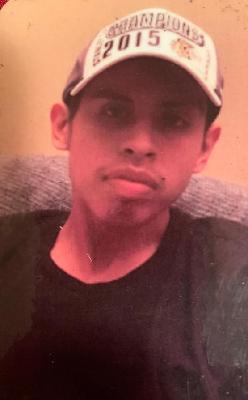
Michael Marino, a 14-year-old boy, disappeared on October 25, 1976, in Chicago, Illinois. He was initially identified as one of the 33 victims of John Wayne Gacy, a notorious serial killer known for targeting young males. Gacy, often referred to as the 'Killer Clown,' was convicted of murdering young men and boys during the 1970s. However, the identification of Michael Marino as one of Gacy's victims has been a subject of significant controversy and doubt.
Michael Marino's mother, Sherry
Marino, harbored suspicions about the identification of her son's remains from the beginning. She questioned the accuracy of the identification process, which relied heavily on dental records and X-rays, as DNA testing was not available at the time. Sherry Marino noted discrepancies, such as clothing found on the body that did not match what Michael was wearing when he disappeared and a healed collarbone injury noted in the autopsy report, which Michael had never suffered. These inconsistencies fueled her belief that the remains buried under her son's name were not his.
In pursuit of the truth, Sherry Marino obtained a court order to exhume the body in 2011. DNA testing conducted on the exhumed remains revealed that they did not belong to Michael Marino. This finding reignited questions about the accuracy of the original identification and raised concerns about the possibility of other misidentified victims in Gacy's case. The Cook County Sheriff's Office, however, disputed the DNA results, citing the need for further testing by their trusted laboratory.
The revelation that the remains were not Michael Marino's has left his fate unknown. It also underscores the challenges and complexities of identifying victims in cases involving serial killers. The discovery has prompted calls for a reexamination of Gacy's case, including the possibility of unidentified victims and potential accomplices. Michael Marino's case remains a poignant reminder of the enduring pain and uncertainty faced by families of missing persons.