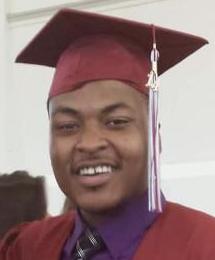
Ray Johnson Jr., a 22-year-old African American male, was found shot to death on the night of July 21, 2018, in the Lawndale neighborhood on the West Side of Chicago. Officers discovered his unresponsive body on a sidewalk with multiple gunshot wounds to his upper body around 9:45 p.m. in the 1300 block of South Avers. Johnson, who resided in the same neighborhood, was transported to Mount Sinai Hospital, where he was pronounced dead at 10:21 p.m.
An autopsy conducted the following day confirmed that he died from multiple gunshot wounds, and his death was ruled a homicide.
The circumstances surrounding the shooting were not immediately clear, and witnesses to the incident were reportedly uncooperative with the police. As a result, the investigation faced significant challenges from the outset. Area Central detectives were assigned to the case, but the lack of cooperation from potential witnesses hindered their efforts to gather crucial information and identify suspects.
Despite the initial setbacks, the investigation into Ray Johnson Jr.'s murder continued. The police sought to piece together the events leading up to the shooting and identify any individuals who may have been involved. However, as of the latest available information, no arrests had been made, and no suspects had been publicly identified. The case remained open, with detectives continuing to pursue leads and gather evidence in hopes of bringing those responsible to justice.
The tragic death of Ray Johnson Jr. highlighted the ongoing issue of gun violence in Chicago, particularly in neighborhoods like Lawndale. The community mourned the loss of a young life cut short and called for increased efforts to address the root causes of violence and improve public safety. The investigation into Johnson's murder serves as a reminder of the challenges law enforcement faces in solving such cases and the importance of community cooperation in achieving justice for victims and their families.