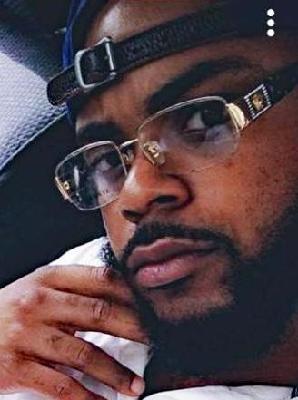
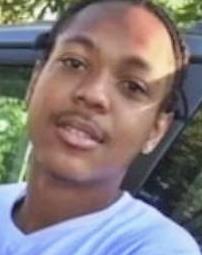
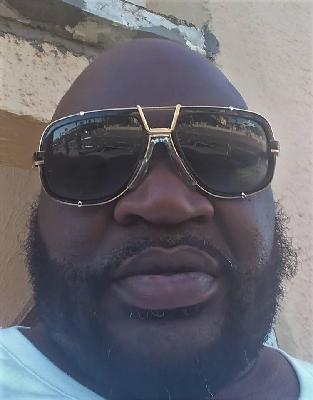
In the quiet, snow-covered landscape near the entrance of East Rock Park in New Haven, Connecticut, the body of 32-year-old Jeremiah Johnson, a Black male, was discovered on December 15, 2007. A passing motorist alerted two police officers on Orange Street to what appeared to be a body in the snow on Farnam Drive, near the Hamden town line. Upon investigation, the officers found Johnson face down, having sustained gunshot wounds to his head and back. The initial investigation did not determine whether he was killed at that location or if his body had been moved there after the fact.
For nearly five years, the case remained a grim, unsolved chapter in the city's records. Then, in May of 2012, a significant breakthrough occurred. New Haven police announced they had secured murder warrants for two men in connection with Johnson's death. The suspects were identified as Zackery Cody Franklin and his alleged accomplice, John Torry Denby. At the time of the warrants, both men were already incarcerated for other offenses. Franklin was being held on bonds totaling over $5.6 million for his alleged involvement in three other homicides. Denby was in jail on a nearly $400,000 bond related to drug sale arrests. The motive for Johnson's killing was described by authorities as an apparent robbery.
Zackery Cody Franklin was a man already facing a litany of violent charges. He was accused of a 2011 killing in Edgewood Park over a gun sale, and two separate homicides in July of that same year. One of those incidents, which occurred in Waterbury, involved the attempted robbery of a three-wheeled motorcycle during Franklin's 21st birthday celebration. The other New Haven murder was reportedly over a gold chain. Following these alleged crimes, Franklin had fled the state and was eventually apprehended in Virginia in November.
While the case against Franklin moved forward, the legal proceedings for his co-accused took a different turn. In April 2014, prosecutors dropped the manslaughter charge against John Denby, citing a lack of sufficient evidence to proceed to trial. The primary evidence against Denby was reportedly a statement he allegedly made to someone claiming responsibility for the murder. As part of an arrangement, Denby pleaded guilty to two counts of narcotics sales and a violation of a conditional discharge. Though he avoided prosecution for Johnson's death, he did not walk free. Through his attorney, Denby expressed sympathies to Jeremiah Johnson's family but maintained his innocence in the matter. The resolution was a disappointment to Johnson's father, who, according to the prosecutor, understood the legal circumstances.