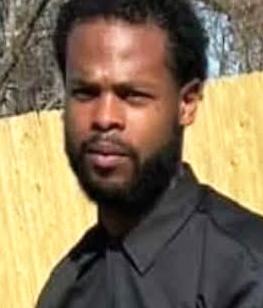
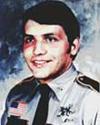
Robert T. Dunn, a 36-year-old White man, died in Pointe Coupee Parish, Louisiana, on January 1, 1970. In the surviving public record that’s easily accessible online, the circumstances of his final hours are frustratingly indistinct—more like the outline of a tragedy than a fully preserved account. The place and date exist, but the details that usually bring a case into focus—where he was found, who last saw him alive, what led investigators to a theory of the crime—are not clearly set out in widely available reporting or digitized official summaries.
Because of that lack of accessible documentation, the trail on arrests and suspects is thin as well. No readily available online court or news material lays out a specific, named suspect for Dunn’s death, and there is no clear public-facing account that describes an arrest, formal charges, a trial, or a conviction tied directly and unambiguously to his case. What remains online does not read like a thoroughly chronicled investigation; it reads like a case whose story wasn’t widely syndicated, or whose records never made the jump into the modern, searchable web.
There is, however, a lingering shadow that appears in online references surrounding a man named Gary Don Franklin. Franklin is documented in court material as having been convicted of murder in Louisiana and as having given confessions while in custody in January 1970, in a case that reached the Louisiana Supreme Court. Those court records establish Franklin as a real defendant in a Louisiana murder prosecution during the same general period, but they do not, in the portions that are easily visible in the online opinion text, clearly connect that conviction to Dunn by name.
Some online databases and compilations go further, asserting that Dunn was among Franklin’s victims. Those claims exist on the web, but they are not presented alongside a primary document in the publicly viewable material that conclusively anchors Dunn’s death to Franklin in the way a contemporary newspaper account, an indictment naming the victim, or a published investigative report would. As a result, what can be responsibly said from accessible online sources is limited: Dunn’s death is recorded with a date and place, and later online references circulate an attribution to Franklin, but the detailed narrative of how the crime unfolded—and whether anyone was definitively arrested or convicted for Dunn’s death specifically—does not appear clearly established in the open, easily verifiable record.