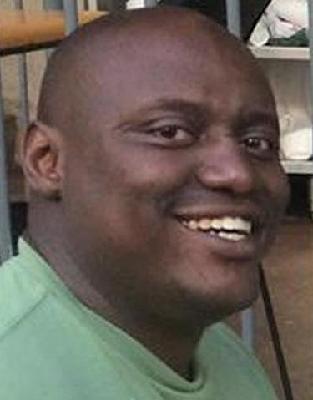
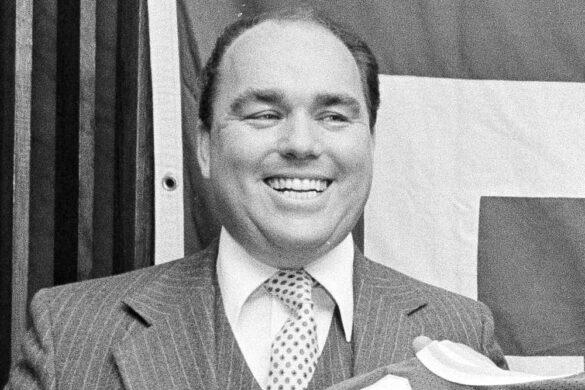
Ernest Gwinn, a 76-year-old White/Caucasian man, was a retired railroad brakeman living at the Virginian Hotel on Main Street in Oak Hill, West Virginia, when he vanished in the summer of 1962. A widower originally from Summers County, Gwinn had settled into a relatively quiet routine after retirement and was a familiar face at the Four Minute Lunch, a nearby restaurant where he regularly ate.
On July 3, 1962, he cashed his pension check, paid his rent, and spent part of the evening at the restaurant. Witnesses remembered him talking with other patrons, drinking several beers, and appearing to be in good spirits before leaving. People reportedly saw him greeting acquaintances as he made his way through Oak Hill that evening.
What happened after Gwinn left the Four Minute Lunch has never been firmly established. Contemporary accounts cited in later reporting said he may have gone to the local Veterans of Foreign Wars club, and a July 9 newspaper account reportedly identified the club as the place where he was last seen. Other accounts claimed he had been observed there in the company of three younger individuals. That potentially important sighting was never settled, however, because the proprietor of the establishment reportedly disputed that Gwinn had been inside the club at all on the night of July 3. The conflicting recollections left investigators without a reliable account of where he went, who accompanied him, or whether he ever began the short journey back to his room.
His absence was not immediately treated as evidence of murder. When Gwinn failed to appear at the diner the following day, his landlord initially believed he might have gone away for the Independence Day holiday to visit family. A worker was even allowed into his room to perform painting or repairs while everyone expected him eventually to return. By July 6, however, his family had learned that no one had heard from him, and the West Virginia State Police were contacted. Investigators reportedly considered the possibility that Gwinn had been robbed, particularly because he had just cashed his pension check. The theory was essentially that a robbery may have turned violent, but no publicly documented evidence established who might have robbed him or precisely where an attack could have occurred.
For months there was no physical evidence explaining Gwinn's disappearance. That changed in May 1963, when railroad workers found a human skull with what appeared to be a bullet hole. The remains were believed by investigators and later researchers to possibly belong to Gwinn, and the estimated interval since death was considered broadly consistent with the time he vanished. Dental characteristics also appeared potentially significant because Gwinn was known to have had numerous teeth extracted. A definitive identification could not be made, however. Accounts state that the dental records that might have permitted a meaningful comparison had already been destroyed, preventing authorities from conclusively establishing that the skull was his. As a result, July 3, 1962 is more accurately treated in the available online record as the date of Gwinn's disappearance and last known sighting rather than a medically or legally confirmed date of death.
The mystery surrounding Gwinn became more ominous as other people disappeared from the same part of southern West Virginia and mutilated human remains began appearing. After the December 1962 killing and dismemberment of Michael Rogers, local fear increasingly centered on an unidentified offender who became known as the “Mad Butcher” of Fayette County or West Virginia. Gwinn's disappearance was eventually discussed as one of the possible early cases connected to that series, particularly because of the timing, the unexplained circumstances of his disappearance, and the skull believed to be his. The connection was never proved, however, and the available evidence does not establish that every disappearance attributed to the Mad Butcher was committed by the same offender.
No reliable online record located for Gwinn's case shows that anyone was arrested, formally charged, tried, or convicted for his disappearance or presumed killing. The unidentified “Mad Butcher” remains a theory rather than a named defendant in Gwinn's case. The three individuals reportedly seen with Gwinn on his final evening were not publicly established as criminal suspects in the accessible accounts, and the underlying sighting itself was disputed. Consequently, there is no documented arrest or prosecution to follow through the courts, no identified killer against whom charges were filed, and no conviction resolving what happened after Gwinn disappeared from Oak Hill. More than six decades later, the central facts remain stark: he vanished after an ordinary evening in town, possible human remains surfaced months later bearing evidence of gunfire, their identity could not be conclusively proven, and the person or people responsible for whatever happened to him were never brought to justice.