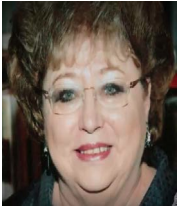
In the summer of 1980, 53-year-old Dolores Barajas, a wife, mother, and grandmother, was visiting family in Denver, Colorado, from her home in El Paso, Texas. To keep busy, she had taken a job working in the cafeteria of the Fairmont Hotel in the downtown area. Her summer visit was nearing its end, and August 10th was slated to be her last day of work before she returned to her family.
However, a tragic encounter on her way to the hotel that Sunday morning would prevent her from ever making it home.
On that fateful morning, as she walked to work, Dolores was attacked and stabbed to death. Her body was discovered lying in the roadway in the 500 block of East 17th Avenue at approximately 7:10 a.m. For decades, her murder remained a cold case, a source of enduring pain and unanswered questions for her loved ones. The identity of her killer remained a mystery, a shadow that hung over the city's history.
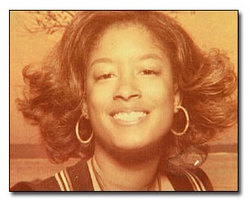
Years turned into decades, but investigators did not give up on seeking justice for Dolores. With advancements in forensic technology, hope was renewed. Between 2013 and 2018, DNA evidence from the crime scene was re-examined and linked her case to three other unsolved homicides in the Denver area that occurred between 1978 and 1981. This breakthrough finally pointed investigators to one man: Joe Michael Ervin. It was determined that Ervin was responsible for the deaths of not only Dolores Barajas, but also Madeleine Furey-Livaudais, Gwendolyn Harris, and Antoinette Parks.
The resolution of the case, while bringing a measure of peace to the families, was bittersweet. Ervin would never face a trial for his crimes. In 1981, he took his own life while in jail after murdering an Aurora police officer who was attempting to arrest him for a traffic violation. Though her killer could not be brought to justice in a courtroom, the identification of Ervin finally provided Dolores Barajas's family with the long-awaited answer to who was responsible for her untimely death.