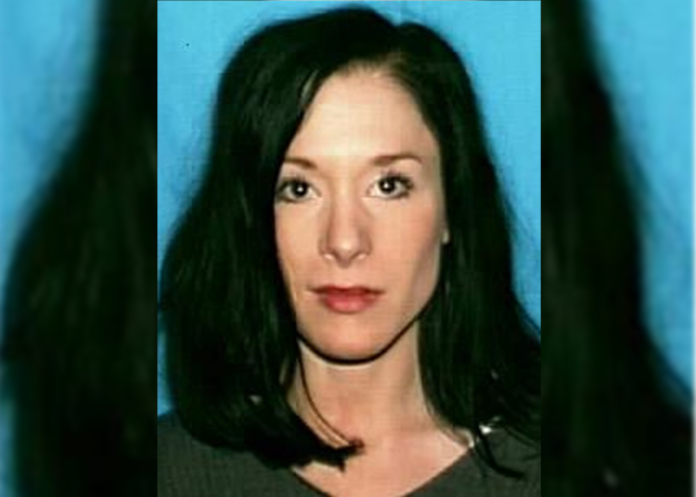
In the winter of 2002, a 25-year-old woman named Torrey Marie Foster vanished from Denver, Colorado. For three years, her family held onto a sliver of hope, a painful uncertainty clouding their days. Foster, a mother of two, was described as an outgoing woman who was studying cosmetology, dreaming of a new life for herself and her children. Her disappearance left a void in the lives of her young son and daughter, who were left in the care of their grandmother.
The grim reality of Foster's fate came to light in 2005 when confessed serial killer Richard Paul White led authorities to her buried remains in Mesita, a remote area in Costilla County on the Colorado-New Mexico border. This breakthrough was part of a plea agreement in which White, in exchange for avoiding the death penalty, confessed to multiple murders and agreed to help locate the bodies of his victims. Foster's family, who had been aware that the discovered remains could be hers, received the heartbreaking confirmation after a long wait for DNA test results.
Richard Paul White revealed that he had picked up Foster from a bus stop near Colfax Avenue in Denver in January 2002. He claimed that while he never intended to harm her, he lost control and strangled her to death. After the murder, he buried her body near his father's home in Mesita. White was sentenced to multiple life sentences without the possibility of parole for the murders of two other women, Victoria Lyn Turpin and Annaletia Maria Gonzales, whose bodies he had buried in his Denver backyard. As part of his plea deal, murder charges related to Torrey Marie Foster's death were dropped. He received an additional 144 years to life for other charges, including sexual abuse and rape.