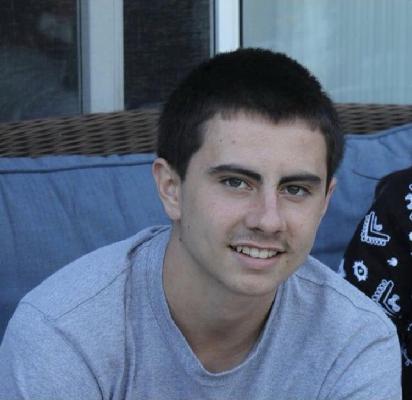
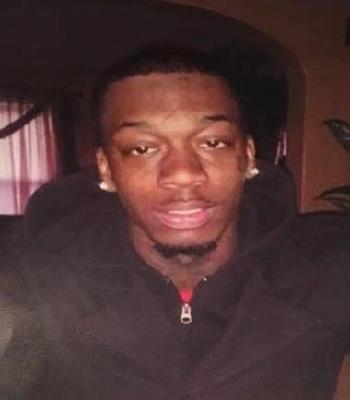
Tristan Marcellus Wade was someone’s whole world long before his name ever became associated with the word “death.” He was from St. Louis, Missouri, a place that can feel like a tight-knit neighborhood one moment and an endless city the next—full of familiar corners, familiar faces, and the kind of history that lives in people more than it does in buildings.
At 36, Tristan was a Black man navigating the weight and beauty of life in a city that asks a lot of its people. Even without the details of what happened, it’s impossible to ignore what it means when a man dies too soon: there are conversations that never get finished, plans that don’t get their chance, and the small everyday moments that vanish all at once—an empty chair, an unanswered call, a silence where his presence used to be.
The hardest part about a loss like this is that it doesn’t just happen to one person. It ripples outward. Someone out there still knows his laugh, the way he walked into a room, the way his voice sounded when he was tired or excited or trying to make a point. Someone remembers what it felt like when he was around—how the air changed, how a day got lighter or heavier, how the world seemed more normal because he existed in it.
There are families and friends who will keep circling back to the same question because love does that: it searches for something to hold onto. It searches for a reason, for a clear sequence of events, for some tidy explanation that might make the pain line up into something that makes sense. But grief doesn’t work like that. Grief shows up in waves, in flashes, in ordinary moments that suddenly feel unbearable—walking past a familiar street, hearing a song at the wrong time, seeing a photo that makes the loss feel brand new again.
And even when the facts are limited, the meaning isn’t. Tristan’s life mattered. His absence leaves a space that no headline, no statistic, no simple summary can ever truly describe. A man from St. Louis is gone, and the people who loved him are left carrying the impossible job of moving forward while still holding him close—keeping his name alive, keeping his memory real, refusing to let him become just another story people forget.
Whatever the circumstances were, the truth that remains is painfully human: Tristan Marcellus Wade should have had more time. He should have been allowed the ordinary future everyone deserves—another season, another birthday, another chance to laugh at something stupid, another morning where the day starts like any other. Instead, there is a line in time where life split into “before” and “after” for the people who knew him, and the after will never look the same.