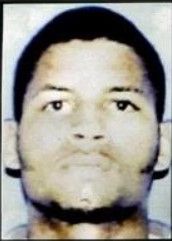
In the autumn of 2005, the community of Houma, Louisiana, was unsettled by the disappearance of Nicholas 'T-Nick' Joseph Pellegrin. The 21-year-old male was last seen on November 5, 2005, and his family reported him missing two days later. The search for the young man came to a tragic end on November 9, when a resident riding a four-wheeler discovered his body in a field in the St. Charles community, south of Thibodaux.
Investigators believed his body had been at the remote location for at least two days and suspected he had been killed elsewhere. The state of his body made it difficult for authorities to immediately determine a cause of death.
Initially, the investigation into Pellegrin's death was linked to a string of unsolved murders in the region potentially connected to a serial killer. Law enforcement was examining numerous cases dating back to the late 1990s where men from the Houma area were found deceased in rural settings. However, Pellegrin’s family, particularly his mother, held a different view. She was adamant that his death was not the work of a stranger but was connected to people he knew, possibly over a small debt. She voiced her frustration with the investigation, believing the police were aware of the identities of those responsible but had not yet made any arrests.
A significant breakthrough in the case came in December 2006, shifting the focus of the investigation dramatically. A man named Ronald Joseph Dominique, who came to be known as 'The Bayou Strangler,' was arrested and confessed to the murders of 23 men, one of whom was Nicholas Pellegrin. Dominique had been active across Louisiana for nearly a decade, targeting men whom he would lure, assault, and kill. Pellegrin’s family was initially hesitant to accept that he was a victim of Dominique, as the circumstances of his discovery, fully clothed, did not match the pattern of the serial killer's other known victims.
Ultimately, physical evidence confirmed the link between Pellegrin and Dominique, leading to formal charges against the killer for his murder, among many others. Dominique pleaded not guilty to the charges brought against him. The resolution of the case brought a complex wave of emotions for Pellegrin's family. While there was a sense of relief that someone was being held accountable for their profound loss, it did little to ease the enduring pain and anger of his violent death. The confession and subsequent legal proceedings marked the final chapter in the search for justice for Nicholas Pellegrin.