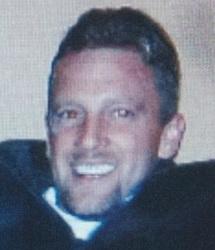
In the spring of 1999, the community of Rapid City, South Dakota, was gripped by a series of unsettling deaths that raised fears of a potential serial killer. Among the victims was Dirk Bartling, a 44-year-old white male, whose body was discovered floating in Rapid Creek on May 29, 1999. Bartling's death was one of several that occurred in and around the creek between 1998 and 2000, with a significant number of the victims being Native American men.
The discovery of Bartling's body by a
fisherman added to the growing alarm in the city. An autopsy revealed that he had a blood alcohol content of 0.288%. Like many of the other men found in the creek, he was known to sometimes work as a carpenter. The cluster of deaths, an anomaly for the area which typically saw only about one such death a year, prompted the formation of a task force involving the Rapid City Police Department and the Pennington County Sheriff's Office to investigate a possible connection between the cases. The FBI was also brought in to assist in the investigation.
Despite the investigative efforts, the deaths remained shrouded in mystery. Authorities interviewed numerous individuals and explored various theories, including the possibility of racist attacks by skinheads, but found no organized group responsible. The lack of clear evidence of foul play in many of the cases, with drownings often associated with high blood alcohol levels, complicated the investigation. However, the sheer number of deaths in such a short period led many, including law enforcement officials, to believe it was more than a coincidence.
The community, particularly the Native American population, expressed frustration and suspicion regarding the handling of the investigations, alleging that the deaths were not being taken seriously because many of the victims were homeless or of Native American descent. Volunteers from the Native American community even began patrolling the creek at night. Despite these efforts and the official investigation, no arrests were ever made in connection with Dirk Bartling's death or the other men found in Rapid Creek. The cases grew cold, leaving a lingering sense of injustice and unanswered questions for the families of the victims and the community at large. As of recent accounts, the deaths from that period remain unsolved.