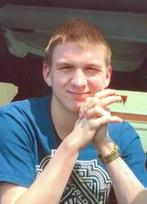
David Hilligiest, a 13-year-old boy from Houston, Texas, tragically lost his life on May 29, 1971. He was one of the victims of Dean Corll, a notorious serial killer also known as 'The Candy Man.' Corll, along with his teenage accomplices David Brooks and Elmer Wayne Henley, was responsible for the abduction, torture, and murder of at least 28 young boys and teenagers between 1970 and 1973 in what became known as the Houston Mass Murders.
David Hilligiest, a Caucasian male, was last seen walking with his friend Gregory Malley Winkle, a 16-year-old, to a local swimming pool. The two boys were lured into a white van and subsequently taken to an apartment rented by Corll, where they were murdered.
The investigation into David Hilligiest's disappearance initially faced challenges, as his parents, like those of other victims, launched their own search efforts. They distributed posters offering a monetary reward for information about their sons' whereabouts. Ironically, one of the individuals who helped distribute these posters was Elmer Wayne Henley, a close friend of Hilligiest and one of Corll's accomplices. Henley attempted to reassure the Hilligiest family, even as he was complicit in the crimes.
The truth about David Hilligiest's fate came to light in 1973 when Henley confessed to his involvement in the murders and led authorities to the burial sites of the victims. Hilligiest's remains were discovered alongside those of other victims in a rented boat shed in Houston. The case shocked the nation, revealing the extent of Corll's heinous crimes and the complicity of his teenage accomplices. Corll was killed by Henley in a confrontation in 1973, and both Henley and Brooks were later convicted for their roles in the murders. The Houston Mass Murders remain one of the most chilling cases in American criminal history, leaving a lasting impact on the families of the victims and the community.