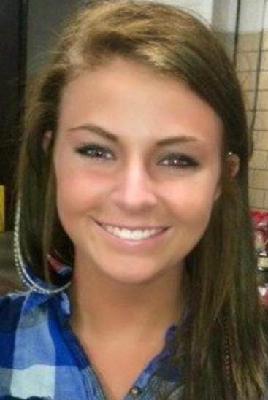
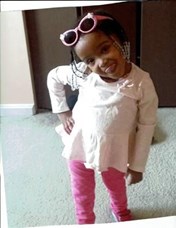
In Louisville, Kentucky, a heart-wrenching story unfolded on March 26, 2000, ending the life of 17-month-old Dashay Jones, an African American girl. On that day, emergency services were called to an apartment where they found Dashay and her two older sisters, 5-year-old Jaquanda Smith and 2-year-old Danesha Jones, unconscious. The three little girls were rushed to Kosair Children's Hospital, but none of them could be saved.
The investigation into the tragic deaths of the three siblings
quickly focused on their 22-year-old mother, Shavonda Charleston. As authorities delved into the family's history, they reopened the case of a fourth child, 2-week-old Davonda Jones, who had died in October of the previous year. Her death had initially been attributed to Sudden Infant Death Syndrome, but in light of the new, horrific circumstances, investigators began to suspect a pattern of unthinkable acts. It was determined that the cause of death for Dashay and her sisters was smothering.
Prosecutors built a case arguing that Shavonda Charleston was overwhelmed by the responsibilities of motherhood and had taken the lives of her children to escape those pressures and pursue a more carefree lifestyle. Faced with four counts of capital murder, Charleston eventually entered an Alford plea. This legal maneuver allowed her to maintain her innocence while acknowledging that the prosecution had enough evidence to secure a conviction. By accepting this plea, she avoided a potential death sentence.
Shavonda Charleston was sentenced to life in prison without the possibility of parole. The sentence ensured that she would not have the chance to harm another child. The case left the community to grapple with the devastating consequences of a mother's actions and the loss of four young lives, including that of little Dashay Jones.