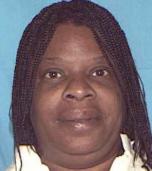
Marquita Dailey, 31, was a Black woman from St. Louis, Missouri. Her death is referenced online in a way that points to a homicide investigation, but the public-facing record is thin enough that the circumstances of what happened—where she was found, how she died, who last saw her, and what investigators believe led up to it—aren’t described in any readily accessible official release or reputable news coverage that names her directly.
What can be said with confidence is mostly about the machinery that would have moved into place after a death like this. In St. Louis, deaths that are unusual, suspicious, or appear to involve violence fall under the Office of the Medical Examiner’s jurisdiction, while homicide detectives investigate when a person is killed by another’s actions or when a death is suspicious and may become a homicide case. Those parallel tracks—medical findings on one side, investigative legwork on the other—are often where the first solid answers come from, even when the public never sees the full story.
In looking specifically for Marquita Dailey’s case, I could not find public documentation that identifies a suspect or describes an arrest, charges, trial proceedings, or a conviction connected to her death. St. Louis police do publish incident summaries and homicide-related updates, but no accessible entry surfaced that names her or ties her to a publicly detailed case narrative. In effect, the trail goes quiet right where you’d expect the most basic facts to begin.
That silence becomes part of the story: a person is gone, and the public record doesn’t explain why. Without an official case summary, court filing, or credible reporting that names suspects, it isn’t possible to responsibly add the kinds of details that usually bring a case into focus—an argument, a timeline, a location, the exact manner of death, or the turning point that leads to cuffs and a courtroom. What remains, instead, is the knowledge that her death would have required answers, and that those answers aren’t available in the open sources that can be verified today.