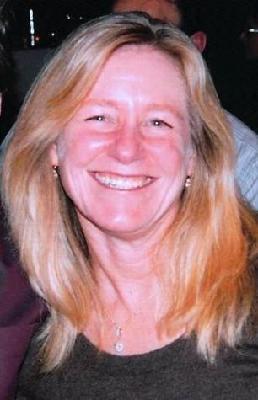
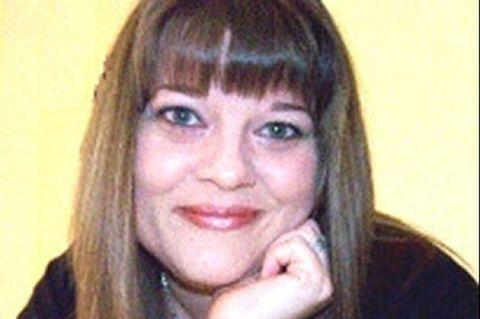
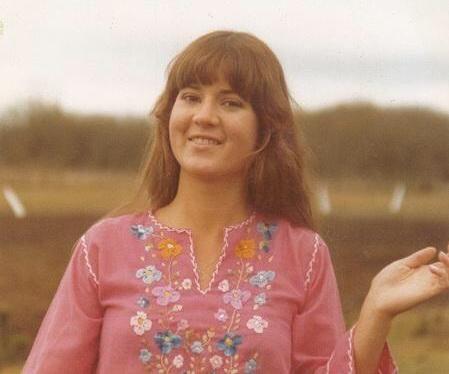
On Christmas Eve of 1978, Kaye Turner, a 35-year-old White female, was spending the holiday with her husband and friends in the scenic community of Camp Sherman, Oregon. An avid and accomplished runner, Turner set out for a morning jog along a familiar two-lane road, expecting to return within the hour for breakfast. When she failed to come back, her husband's concern grew into a frantic search, which soon involved law enforcement.
The initial investigation into her disappearance, however, would stretch into a years-long ordeal, leaving a trail of fear and unanswered questions in the close-knit community.
The case grew cold for a period, with suspicion even falling on Turner's husband. A significant break came in August 1979 when a highway mechanic for the Oregon Department of Transportation, John Arthur Ackroyd, claimed to have discovered Turner's remains in the woods, not far from where she was last seen. His account raised immediate suspicion, as he was able to identify the scattered bones and scraps of clothing as belonging to Turner. Over time, Ackroyd's story changed, and he admitted to having seen and spoken with her on the day she vanished. He also implicated a friend and fellow hunter, Roger Dale Beck, stating they were together that morning.
It wasn't until the disappearance of Ackroyd's own 13-year-old stepdaughter, Rachanda Pickle, in 1990 that investigators began to build a solid case against him for Turner's murder. New forensic testing and testimony from Beck's ex-wife, who stated he had bragged about killing a woman in the mountains with Ackroyd, provided the evidence needed to move forward. In 1992, both Ackroyd and Beck were arrested and indicted for the aggravated murder of Kaye Turner.
Subsequent trials in 1993 found both John Arthur Ackroyd and Roger Dale Beck guilty of the abduction, rape, and murder of Kaye Turner. They were each sentenced to life in prison. Ackroyd was later implicated in other violent crimes against women along Highway 20, leading many to believe he was a serial killer. He died in prison in 2016, taking any further secrets to his grave. The brutal murder of Kaye Turner, a vibrant woman with a love for the outdoors, left a lasting scar on the community of Camp Sherman and became a pivotal case in a series of violent crimes that haunted the region for decades.