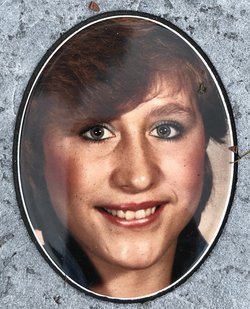
In the summer of 1987, the remains of a young woman were discovered at a forested hillside dump site outside Molalla, Oregon. For years, her identity remained a mystery, a silent testament to a life cut tragically short. It wasn't until 2013 that advances in DNA analysis finally gave her a name: Tawnia Jarie Johnston. She was an 18-year-old Caucasian female who had arrived in the Portland area in the spring of 1987.
Her discovery was part of a horrifying collection of seven female victims found at the same location, their lives all violently extinguished.
Tawnia's story is intertwined with that of one of Oregon's most infamous serial killers, Dayton Leroy Rogers, also known as the “Molalla Forest Murderer.” Rogers, a man who owned a small engine repair shop in Woodburn, was ultimately linked to the deaths of multiple women. Investigators found personal items like earrings, belt buckles, and bra fasteners at his shop, connecting him to his victims. While Tawnia was his eighth suspected victim, her case remained open for years due to the initial inability to identify her remains.
Dayton Leroy Rogers was arrested and, in 1989, convicted for the murders of six other women whose bodies were found at the Molalla dump site: Lisa Marie Mock, 23; Maureen Ann Hodges, 26; Christine Lotus Adams, 35; Cynthia Devore, 20; Nondace Cervantes, 26; and Riatha Gyles, 16. The year prior, in 1988, he was also convicted for the 1987 murder of Jennifer Lisa Smith, who was killed in a Clackamas County parking lot. The identification of Tawnia Jarie Johnston through DNA evidence officially linked Rogers to her death, adding another name to the tragic list of his victims and closing a painful chapter for investigators, though the profound loss for her family remains.