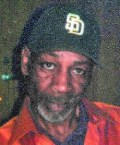
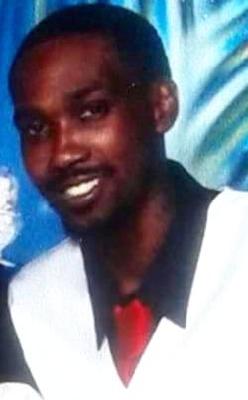
In the early hours of May 24, 2010, the city of Flint, Michigan, was unknowingly on the cusp of a summer of terror. On this day, 31-year-old David Motley, an African American male, was found brutally stabbed to death in the parkway near the intersection of Leith and Dexter streets. His death marked the violent beginning of a series of random, unprovoked attacks that would instill fear throughout the community.
Remembered by his mother as a fun-loving person who brought joy to those around him, Motley's life was cut tragically short, leaving a void in the lives of his loved ones.
The investigation into Motley's homicide soon revealed a horrifying pattern. Over the ensuing weeks and months, several other men in and around Flint fell victim to similar stabbings. The assailant, it appeared, would often feign car trouble or ask for directions to lure his victims into a vulnerable position before launching a frenzied knife attack. As the number of victims grew, a sense of panic gripped the city, with residents, particularly men walking alone at night, on high alert. The seemingly random nature of the attacks and the lack of a clear motive left law enforcement with a daunting task.
A major breakthrough in the case came with the identification of a suspect: Elias Abuelazam, an Israeli native who had been living in Flint. Described as a large man, he was eventually linked to at least 14 attacks in the Flint area, which resulted in five fatalities, including David Motley. The investigation, which involved local and state police as well as the FBI, culminated in a nationwide manhunt for Abuelazam. He was ultimately apprehended in August 2010 at the Hartsfield-Jackson Atlanta International Airport as he was attempting to flee the country to his native Israel.
While Elias Abuelazam was a suspect in numerous stabbings, the Genesee County Prosecutor's Office chose to focus its resources on securing a conviction in one of the strongest cases. In May 2012, Abuelazam was put on trial for the murder of Arnold Minor, another victim of the stabbing spree. A jury found him guilty of first-degree murder, and he was subsequently sentenced to life in prison without the possibility of parole. Following this conviction, prosecutors announced that they would not pursue separate trials for the other murders and assaults Abuelazam was accused of, including the killing of David Motley. This decision was made because a life sentence without parole already ensured that Abuelazam would never be free again. Though justice for David Motley did not come in the form of a specific conviction for his murder, the successful prosecution of his killer for another of his heinous crimes brought an end to his reign of terror.